

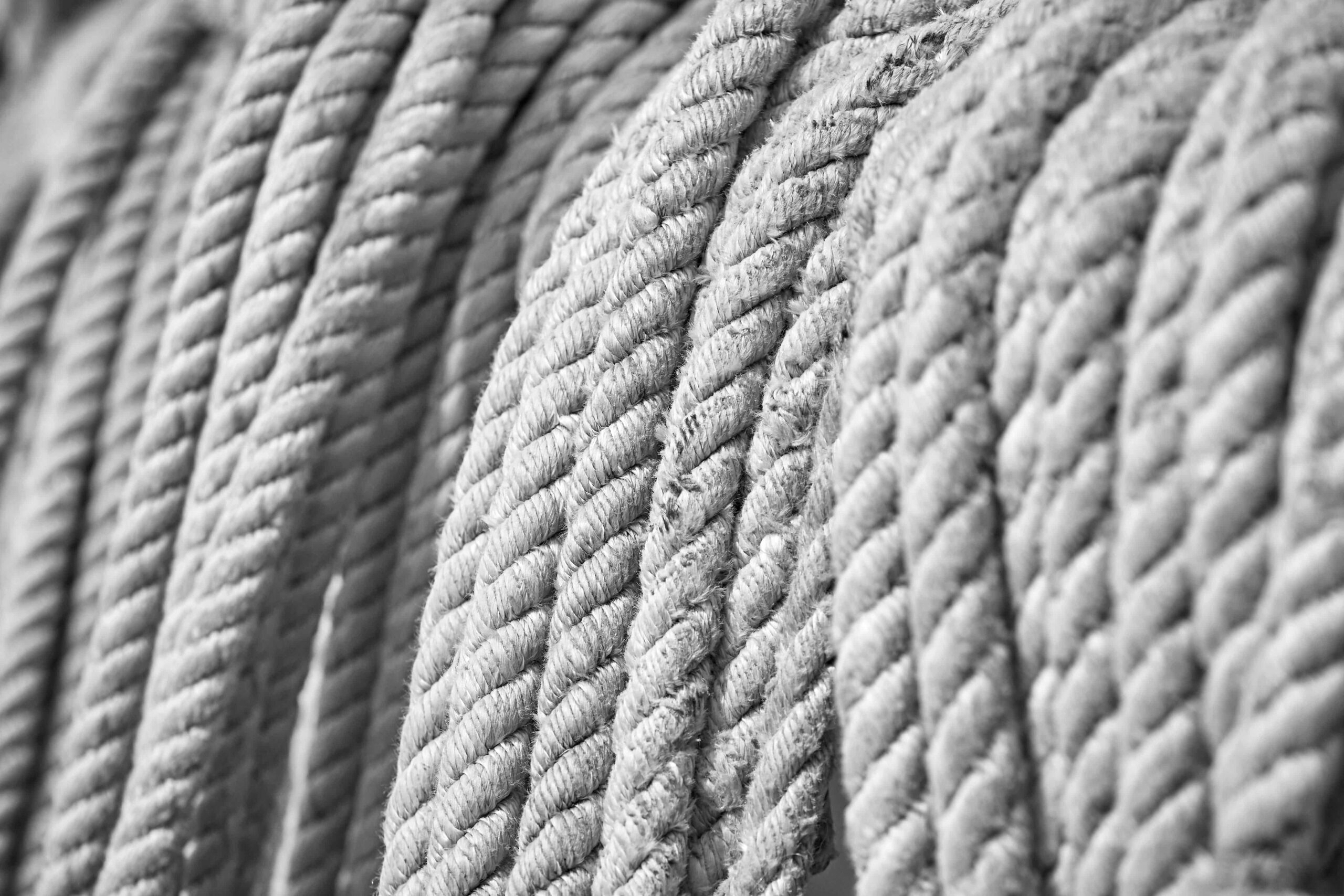
Asbestos in older boilers and industrial plant wasn’t only used in pipe lagging and other forms of insulation. It was also used in smaller components such as gaskets, rope seals and packing, where its resistance to heat made it useful for sealing joints and openings.
These components can remain in place for decades and may only become an issue when old equipment needs to be serviced, dismantled or replaced. So, where might asbestos rope and gaskets be found, and what needs to happen before they’re removed?
Why Was Asbestos Used in Rope, Gaskets and Seals?
Asbestos was widely used in applications where materials needed to withstand high temperatures. In boilers, pipework and industrial plant, it could be incorporated into seals and gaskets designed to prevent heat, gases or fluids escaping through joints and openings.
The form of the asbestos-containing material can vary depending on its purpose:
- Asbestos rope was a woven or braided material commonly used to create heat-resistant seals around openings and equipment.
- Asbestos gaskets were used to form seals between components, including pipe flanges and valve joints.
- Asbestos string or packing could be used to seal joints or packed around components where a flexible, heat-resistant material was required.
Because these materials were often fitted between or inside other components, they may not be immediately visible while the equipment remains assembled.
Their presence can therefore become particularly relevant when older boilers, pipework or plant are taken apart for maintenance or replacement.
Where Might Asbestos Rope and Gaskets Be Found?
Asbestos rope, gaskets and seals were used in a range of heating systems and industrial plant. Their exact location will depend on the type, age and design of the equipment.
Boilers and Heating Equipment
In older boilers and heating equipment, asbestos-containing gaskets and rope seals may be found around doors, lids and access openings, as well as between joined components.
Potential locations include:
- Boiler doors and access panels
- Joints between boiler sections or components
- Rope seals around openings
- Gaskets within older heating appliances
- Seals associated with connected pipework and valves
Because these components are often fitted between two surfaces, they may not become visible until the boiler is opened or dismantled.
Pipework, Valves and Flanges
Asbestos gaskets were also used to create seals at joints within older pipework and plant.
They may be encountered between pipe flanges, at valve joints or at other connections within heating and process systems. Asbestos string was also historically used for sealing some threaded pipe joints.
This means asbestos may be encountered when pipework is disconnected even where the pipes themselves aren’t insulated with asbestos-containing lagging.
Industrial Plant and Equipment
The use of asbestos seals wasn’t limited to boilers. Rope and gaskets could also be incorporated into vessels, ovens, heating equipment and other industrial plant where heat-resistant seals were required.
These can be relatively small components within much larger pieces of equipment, making them easy to overlook when maintenance, dismantling or plant replacement is being planned.
Can You Tell If a Gasket or Rope Seal Contains Asbestos?
You can’t reliably determine whether a gasket or rope seal contains asbestos from its appearance alone.
Where older equipment is being maintained or dismantled, useful information may come from:
- The age, manufacturer and model of the equipment
- Original manuals or specifications
- Maintenance and service records
- Existing asbestos surveys or registers
- Previous sampling results
- Information from the manufacturer or service engineer
- Sampling and laboratory analysis where required
If there isn’t enough information to confirm what a material contains, further assessment may be needed before it is disturbed.
Don’t scrape, cut or break an old gasket simply to investigate what it’s made from. Doing so could damage an asbestos-containing material that had previously remained intact.
Why Can Boiler and Plant Replacement Disturb These Materials?
A gasket or rope seal may remain undisturbed for many years while a boiler or piece of plant continues operating. Maintenance, dismantling and replacement can change that.
Work may involve:
- Separating flanged joints
- Opening boiler or vessel doors
- Disconnecting pipework
- Removing valves
- Dismantling plant
- Stripping out redundant boilers
- Removing old gaskets or seals from joined surfaces
The condition of the material becomes particularly important at this point. An intact gasket that can be removed without significant damage presents a different situation from one that is brittle, deteriorated or breaks apart as the equipment is dismantled.
This is why the condition of suspected asbestos gaskets and seals, and how they’re likely to behave during removal, should be considered before dismantling begins.
What Should Be Checked Before Dismantling Old Boilers or Plant?
Before an older boiler or piece of plant is dismantled, it’s important to establish whether asbestos-containing components could be affected by the work.
Start by identifying the equipment and its approximate age, then check any existing asbestos information, manufacturer specifications and maintenance records that are available.
It’s also important to understand what the dismantling work will actually involve. Consider:
- Which joints will be separated
- Which gaskets, seals or packing materials could be disturbed
- Whether pipework or valves will be disconnected
- Whether the equipment itself has previously been assessed for asbestos
- Whether surrounding insulation, pipe lagging or panels could also be disturbed
- Whether further asbestos assessment or sampling is required
Knowing that a plant room has previously been surveyed doesn’t necessarily mean every gasket, seal or internal component within older machinery has been assessed.
Any identified ACMs should be accounted for before mechanical dismantling begins, rather than being dealt with once the boiler or plant has already been taken apart.
Are Asbestos Rope Seals and Gaskets the Same as Asbestos Lagging?
No. Although they can be found around the same boilers, pipework and plant, they are different asbestos-containing materials.
Rope and gaskets were generally used as seals between components or around openings. Asbestos lagging, on the other hand, was applied as thermal insulation around equipment such as boilers and pipes.
This distinction matters because different ACMs can require different approaches to removal. Asbestos lagging is a more friable material and most work involving it requires a licensed asbestos contractor.
You can learn more in our guide to asbestos pipe lagging, why it’s high risk and how it’s removed.
Does Removing an Asbestos Gasket Require a Licensed Contractor?
Not necessarily. HSE provides specific guidance for the removal of compressed asbestos fibre gaskets and asbestos rope seals as non-licensed asbestos work.
However, non-licensed doesn’t mean that the work can be carried out without appropriate precautions. Anyone carrying out asbestos work needs the appropriate information, training and instruction, and the work must be properly assessed and planned.
The condition of the material also matters. HSE states that if a gasket or seal becomes substantially broken up or damaged during removal, the work becomes notifiable non-licensed work (NNLW).
This is why the material and proposed work should be assessed beforehand rather than assuming that every asbestos gasket can be removed in the same way.
Read more about the difference between licensed and non-licensed asbestos removal.
Why Does the Condition of the Gasket Matter?
An intact gasket that can be removed without substantial breakage is different from one that is already deteriorated or likely to break apart as the equipment is dismantled.
Before work begins, consider whether the gasket or seal is:
- Intact and in good condition
- Brittle or deteriorated
- Already damaged
- Firmly bonded to the surface
- Likely to break apart during dismantling
- Likely to leave asbestos-containing residue behind
Don’t wait until someone starts scraping away at an old gasket to find out how easily it will come away. Its condition and the likely level of disturbance should form part of the assessment before removal begins.
What Happens When Asbestos Rope or Gaskets Need to Be Removed?
The exact approach will depend on the material, its condition and the work being carried out, but the process will generally begin before the boiler or plant is dismantled.
This may involve:
- Confirming or assessing the suspected asbestos-containing material.
- Checking its condition and how it will be affected by the planned work.
- Determining the appropriate classification and controls for the asbestos work.
- Coordinating with the heating, mechanical or plant contractor so the equipment is safely shut down and ready for the work.
- Having the ACM dealt with by workers with the appropriate training and competence.
- Correctly managing any asbestos-containing residues and waste.
- Allowing the planned maintenance, dismantling or replacement to continue once the asbestos work has been completed.
Where asbestos needs to be dealt with before older plant can be dismantled, Malrod provides asbestos removal for commercial and industrial premises across the UK.
Don’t Forget the Other Asbestos Around Old Plant
Finding an asbestos gasket or rope seal doesn’t necessarily mean it’s the only ACM that needs to be considered.
Older plant rooms can contain asbestos in several different forms. HSE identifies asbestos rope seals and gaskets alongside materials including boiler and pipe lagging and asbestos insulating board (AIB) around boilers.
Before dismantling begins, check whether the work could also affect:
- Pipe or boiler lagging
- Other insulation around the equipment
- AIB panels or fire protection
- Asbestos debris from previous work
- Other gaskets and seals within connected pipework or plant
Looking at the complete scope of the dismantling work helps avoid dealing with one known asbestos gasket only to encounter another ACM once the surrounding equipment starts coming apart.
Asbestos in Old Boilers FAQs
Do Old Boiler Gaskets Contain Asbestos?
Some older boiler gaskets contain asbestos, but not every gasket will. Asbestos was historically used in gaskets because of its resistance to heat, making it suitable for seals within boilers, pipework and other high-temperature equipment.
If the material can’t be identified from existing records or manufacturer information, further assessment may be needed before it is disturbed.
What Does an Asbestos Gasket Look Like?
There isn’t one reliable visual characteristic that can confirm whether a gasket contains asbestos. Its appearance can vary depending on the type of gasket, its age and its condition.
Don’t cut, scrape or break a suspected gasket to try to identify it. Manufacturer information, equipment records or laboratory analysis may be needed to establish what it contains.
Are Asbestos Gaskets Dangerous If Left in Place?
An asbestos-containing gasket that remains intact and undisturbed doesn’t present the same risk as one that is damaged or broken apart.
The likelihood of disturbance also needs to be considered. A gasket that has remained enclosed within working plant for years may become an issue when the equipment needs servicing, dismantling or replacing.
What Happens If an Asbestos Gasket Breaks During Removal?
If an asbestos gasket or rope seal begins to break apart during removal, work should stop so the situation can be reassessed.
HSE states that where asbestos gaskets or seals become substantially broken up or damaged during removal, the work becomes notifiable non-licensed work (NNLW). This brings additional requirements for how the work is managed.
Removing Old Boilers or Industrial Plant?
If you’re planning to maintain, dismantle or replace older boilers or industrial plant, Malrod can help identify and safely deal with asbestos-containing materials before the work proceeds.
Where removal is required, we provide asbestos removal for commercial and industrial premises across the UK.
To discuss your requirements, call us today on 01942 811591 or complete our contact form and a member of our team will be in touch.