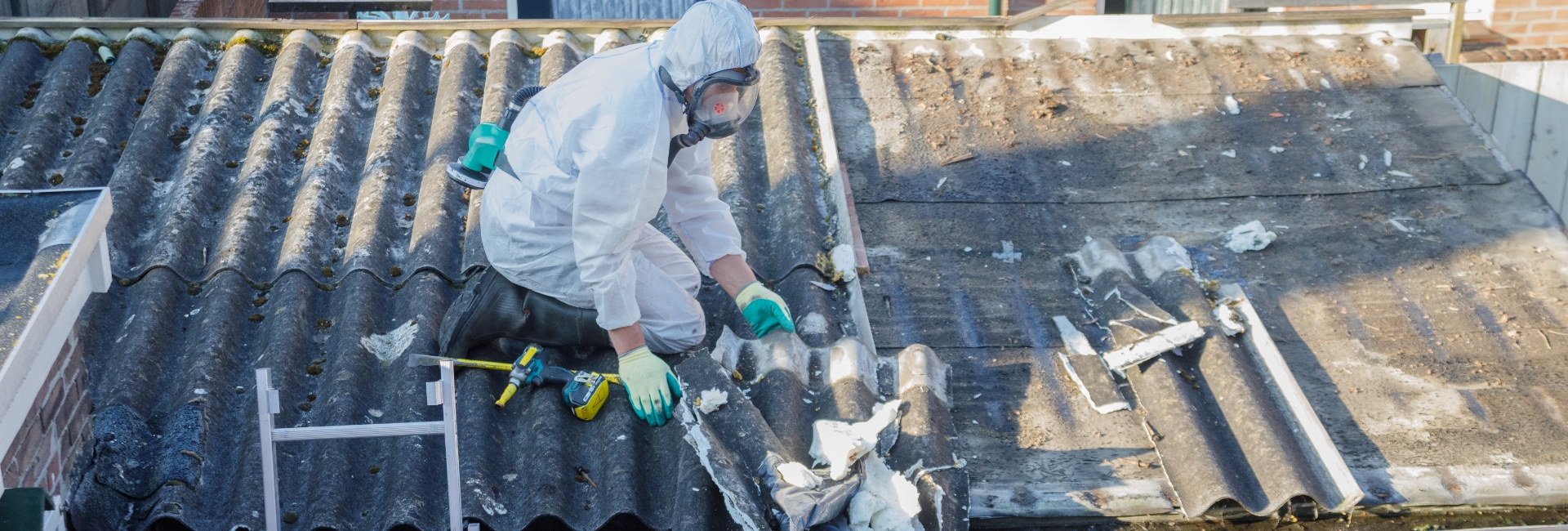
Before asbestos removal begins, there needs to be a written plan for how the work will be carried out safely. This is known as a Plan of Work, sometimes also referred to as a method statement.
It sets out what asbestos work will take place, how it will be carried out and the measures that will be used to control exposure. But what should an asbestos Plan of Work actually include, who prepares it and how is it used during the job?
What Is an Asbestos Plan of Work?
An asbestos Plan of Work is a written document detailing how a specific piece of asbestos work will be carried out.
Under Regulation 7 of the Control of Asbestos Regulations 2012, a suitable written Plan of Work must be prepared before work with asbestos begins. This applies to both licensed and non-licensed asbestos work.
The Plan of Work should set out:
- What asbestos work is being carried out
- Where the work will take place
- How the work will be completed
- The measures used to prevent or reduce asbestos exposure
- The equipment and procedures required to carry out the work safely
It must be specific to the work being undertaken. A generic asbestos removal procedure isn’t a substitute for a Plan of Work that reflects the particular site, ACMs and work involved.
A copy of the Plan of Work must also be kept at the premises while the asbestos work is being carried out.
Is a Plan of Work the Same as an Asbestos Risk Assessment?
No. Although the two are closely connected, they serve different purposes.
An asbestos risk assessment identifies the risks associated with the planned work, including the potential for exposure, who could be affected and the precautions required.
The Plan of Work then sets out how the work will actually be carried out, taking those risks and necessary controls into account.
In practice, the risk assessment helps inform the Plan of Work, but one doesn’t replace the other.
You can read more about this in our guide to what an asbestos risk assessment is and when one is required.
What Should an Asbestos Plan of Work Include?
The exact level of detail in a Plan of Work will depend on the asbestos work being carried out, but it should give those involved enough information to understand what will happen and how the work will be controlled.
Under the Control of Asbestos Regulations 2012, this includes details about the nature and location of the work, the methods being used, measures to prevent or reduce exposure and the equipment required for protection and decontamination.
For asbestos removal, a Plan of Work will typically cover the following areas.
The Scope and Location of the Work
The Plan of Work should clearly identify where the asbestos work is taking place and exactly what is being done.
This may include the site address and specific work area, the type and location of the ACMs involved, their condition and extent, and whether they are being removed, repaired or otherwise worked on.
It should also set out the expected duration of the work and any relevant stages or programme. Someone reading the document should be able to establish what is being worked on, where it is and how long the work is expected to take.
The Method of Removal
The Plan of Work should explain how the asbestos work will actually be carried out.
Depending on the job, this could cover how the ACM will be accessed, the removal method, how fibre release will be minimised, how removed materials will be handled and how the area will be cleaned.
It should also make the sequence of the work clear, rather than relying on a generic asbestos removal procedure that doesn’t reflect the particular job.
The Work Area and Site Set-Up
Where a controlled work area needs to be established, the Plan of Work should explain how it will be set up and managed.
For licensed asbestos removal, this may include details of:
- The boundaries of the work area
- The enclosure and its location
- Airlocks and baglocks where required
- Entry and exit arrangements
- Negative pressure equipment
- Transit and waste routes
- The location of decontamination facilities
- Measures for preventing unauthorised access
Site drawings or diagrams can also form an important part of the Plan of Work, showing how the work area and associated facilities will be arranged in practice.
Control Measures and Equipment
The Plan of Work should identify the controls and equipment required for the specific work being undertaken.
Depending on the job, this may include respiratory protective equipment (RPE), personal protective equipment (PPE), methods used to control fibre release, Class H vacuum cleaners, negative pressure equipment and other specialist equipment.
The level of detail should be sufficient for the people carrying out the work to know what controls and equipment are required. Simply stating that “appropriate PPE will be worn”, for example, doesn’t provide the same job-specific information.
Decontamination Arrangements
Where decontamination is required, the Plan of Work should explain how this will be managed.
This may include the location and use of a decontamination unit, how workers will move between the work area and decontamination facilities, and how contaminated tools and equipment will be dealt with.
The arrangements will depend on the type of asbestos work being carried out, but they should be considered before work starts rather than worked out once the job is underway.
Asbestos Waste Arrangements
The Plan of Work should also account for what happens to asbestos-containing material once it has been removed.
This can include how asbestos waste will be contained and packaged, how it will be moved out of the work area, the route it will take through the site and where it will be securely stored before collection where required.
Disposal arrangements should also form part of the planning so that asbestos waste is managed correctly throughout the job.
Air Monitoring and Clearance Arrangements
Where air monitoring or formal clearance procedures are required, the Plan of Work should account for how these will fit into the job.
For relevant licensed asbestos removal work, this may include arrangements for air monitoring, the involvement of an asbestos analyst and the four-stage clearance process required before a Certificate for Reoccupation can be issued.
HSE recommends that the analyst carrying out site clearance certification is independently sourced and employed by the building owner or client rather than the asbestos removal contractor.
Emergency and Unexpected Situations
A Plan of Work also needs to consider what will happen if the job doesn’t go entirely as expected.
Depending on the work, this could include procedures for situations such as:
- Previously unidentified asbestos being discovered
- Damage to an enclosure
- Failure of control equipment
- An accidental release of asbestos fibres
- Emergency access being required
- The work being unable to continue as originally planned
Having these arrangements established beforehand means workers know what to do if circumstances change rather than having to make decisions during an incident.
If asbestos has already been unexpectedly damaged or disturbed, read our guide to [what to do if asbestos is accidentally disturbed].
Does the Plan of Work Need to Cover Risks Other Than Asbestos?
Yes. Particularly for licensed asbestos removal, the Plan of Work shouldn’t consider asbestos exposure in isolation.
Other hazards associated with the job and work environment also need to be accounted for. Depending on the site, these could include working at height, electrical hazards, confined spaces, manual handling, access and egress, or risks created by other contractors working nearby.
The aim is for the Plan of Work to reflect how the job will actually be carried out safely, including the wider conditions workers will encounter on site.
Who Is Responsible for Preparing the Plan of Work?
The legal responsibility for preparing the Plan of Work sits with the employer carrying out the asbestos work. For licensed asbestos removal, this will usually be the licensed asbestos removal contractor undertaking the job.
However, preparing a suitable, site-specific plan also relies on having the right information available. Depending on the project, the client or dutyholder may need to provide:
- Relevant asbestos surveys and reports
- Site plans and access information
- Details of services and utilities
- Information about other contractors or work taking place
- Known site hazards or restrictions
The contractor can then use this information alongside their own assessment of the work to develop the Plan of Work.
If important information about the building, ACMs or planned project hasn’t been provided, it can be difficult to properly plan how the asbestos work will interact with the rest of the site.
When Should the Plan of Work Be Prepared?
A suitable written Plan of Work must be prepared before the asbestos work begins.
For licensed asbestos work, the work normally also needs to be notified to the relevant enforcing authority at least 14 days before it starts. The Plan of Work should already be sufficiently developed at this stage rather than submitting an outline and working out the details as the project progresses.
In other words, the Plan of Work isn’t something that should be written on the morning removal starts. It needs to be in place early enough for the work, controls, equipment and site arrangements to be properly planned.
Does a Copy of the Plan of Work Need to Be Kept on Site?
Yes. A copy of the Plan of Work must be kept at the premises where the asbestos work is taking place for the duration of the work.
It also needs to be a practical document for the people carrying out the job. Workers should understand the Plan of Work, the methods they’re expected to follow and the controls that apply to their work.
Can an Asbestos Plan of Work Be Changed Once Work Starts?
Yes. A Plan of Work is prepared before the job begins, but that doesn’t mean it can never change.
If circumstances on site differ from what was originally expected, the implications need to be assessed and any necessary changes to the Plan of Work recorded in writing.
For example, work could uncover asbestos that wasn’t identified in the original information, reveal that an ACM is in a different condition than expected or show that the planned method can’t be followed safely.
Where an unexpected situation creates an unacceptable risk, work affecting the asbestos should stop while the situation is assessed. Depending on what has changed, the existing Plan of Work may need to be amended or a new one prepared before work continues.
The important point is that the document should continue to reflect what is actually happening on site, rather than being prepared at the beginning of the job and then ignored.
What Should You Look for When Reviewing an Asbestos Plan of Work?
You don’t need to be an asbestos removal specialist to check whether the Plan of Work clearly reflects the project you’re expecting to take place.
When reviewing it, consider:
- Does it clearly identify the site, work area and asbestos work being carried out?
- Does the scope match the asbestos survey and the work that has been agreed?
- Does it appear specific to this site and project?
- Is it clear how the work area will be set up and controlled?
- Are access, decontamination and waste routes accounted for where required?
- Does it consider other people, contractors and activities on the site?
- Can you understand the main sequence of the work?
- Does it account for what should happen if circumstances change?
- Are responsibilities involving the client, analyst or other contractors clear?
A long or highly detailed document isn’t automatically a good Plan of Work if much of that information has simply been copied from another job. It should describe a safe method of working for the actual asbestos work taking place at that particular site.
If something in the document doesn’t match the agreed project or the conditions on site, it should be raised before the asbestos work begins.
A Plan of Work Is Not the Same as an Asbestos Management Plan
Despite the similar names, these are two different documents.
A Plan of Work is prepared for a particular piece of asbestos work and explains how that work will be carried out safely.
An asbestos management plan is used to set out how asbestos will be managed on an ongoing basis within non-domestic premises. It may cover responsibilities, the asbestos register, monitoring of ACMs and arrangements for preventing accidental disturbance.
The management plan may therefore provide useful information when asbestos work is being planned, but it doesn’t replace the job-specific Plan of Work.
Asbestos Plan of Work FAQs
Is an Asbestos Plan of Work a Legal Requirement?
Yes. Regulation 7 of the Control of Asbestos Regulations 2012 requires a suitable written Plan of Work to be prepared before work with asbestos begins.
The work should then be carried out in accordance with that plan, including any subsequent written changes made while the job is underway.
Is a Plan of Work the Same as a Method Statement?
The terms are often used interchangeably in asbestos work. HSE guidance refers to the written Plan of Work as sometimes being called a method statement.
Whatever terminology is used, the important point is that the document is specific to the asbestos work being carried out and contains the information required to plan and control that work safely.
Does Non-Licensed Asbestos Work Need a Plan of Work?
Yes. The requirement to properly plan asbestos work isn’t limited to work that requires a licensed asbestos contractor.
Non-licensed asbestos work must also be risk assessed and planned before it begins, with a suitable written Plan of Work setting out how the work will be carried out.
Does the Client Need a Copy of the Asbestos Plan of Work?
Regulation 7 requires a copy of the Plan of Work to be kept at the premises where the asbestos work is taking place for as long as the work continues.
For clients, reviewing the Plan of Work before the project begins can also help confirm that the scope, site arrangements and responsibilities reflect the work that has been agreed.
Planning Asbestos Removal?
Malrod provides asbestos removal for commercial and industrial premises across the UK, with each project assessed and planned around the asbestos-containing materials, site and work required.
To discuss your requirements, call us today on 01942 811591 or complete our contact form and a member of our team will be in touch.