

Read more
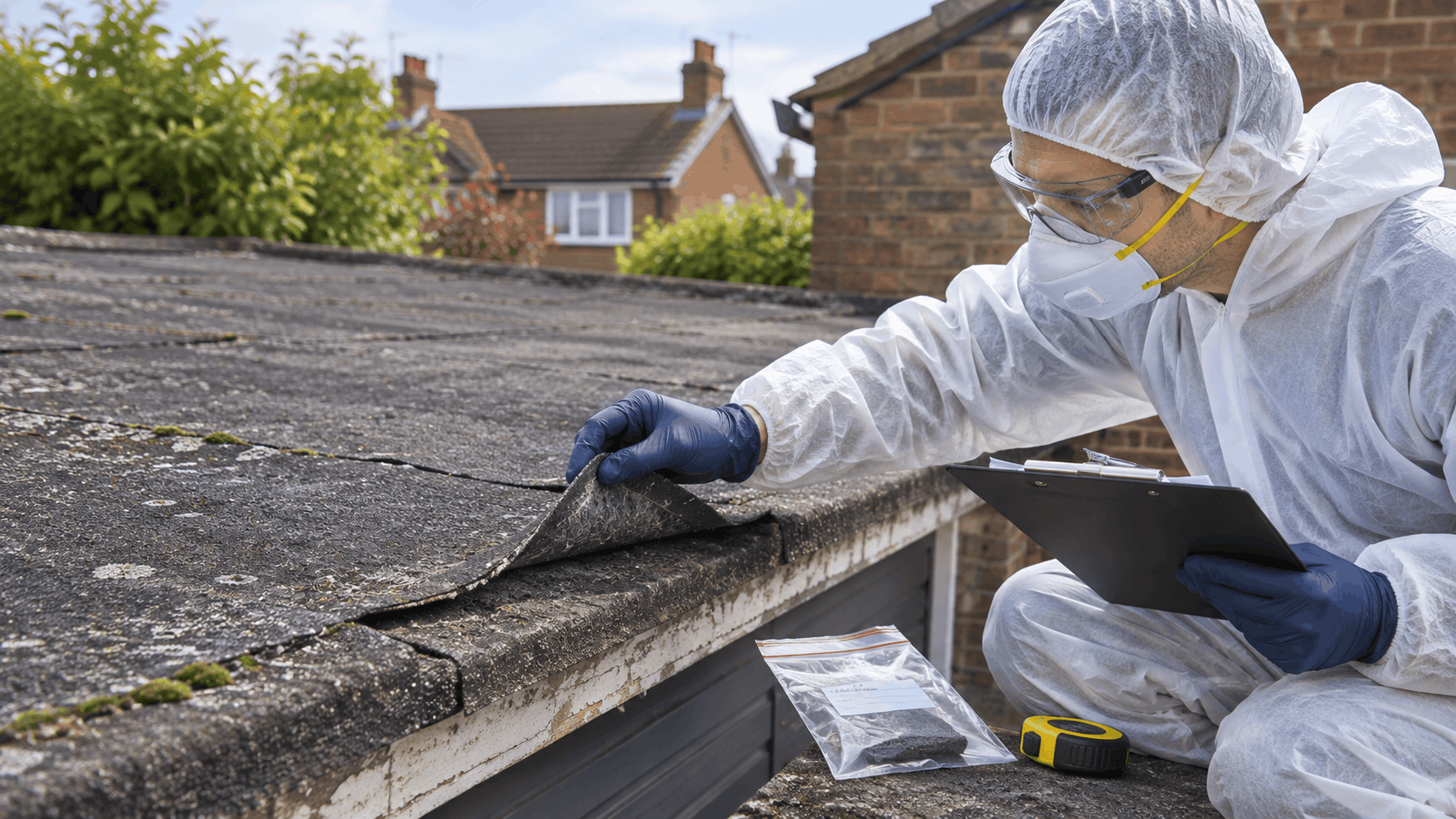
Asbestos Roofing Felt: Identification, Risks and What to Do
November 11th, 2026
If you’re planning to repair or replace an older felt roof, it’s worth finding out exactly what you’re dealing with […]
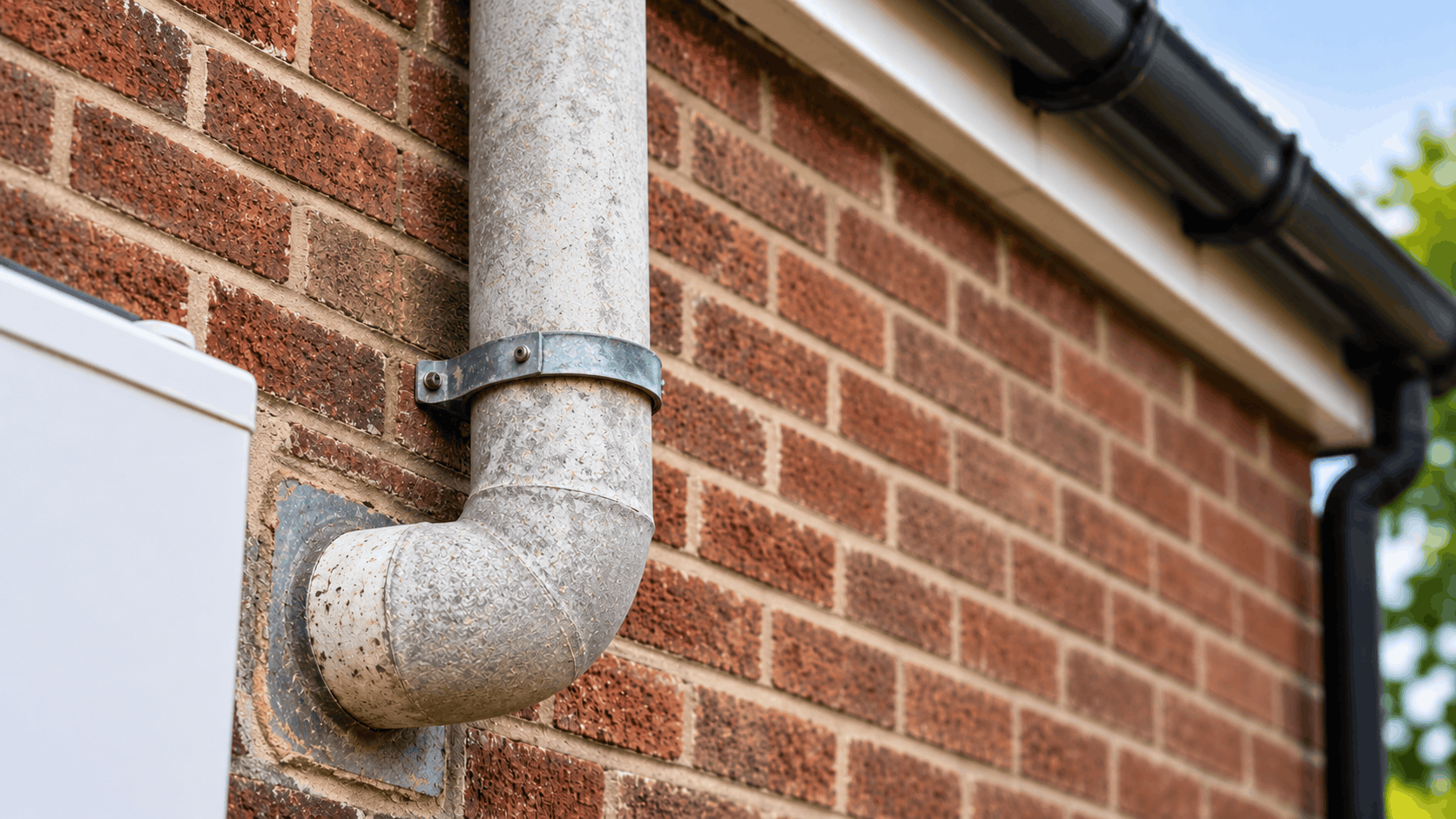
If you’re replacing an old boiler or renovating a property, it’s important to know whether any existing flue pipes contain asbestos. Some older heating systems used asbestos-containing materials, which need to be identified before they’re disturbed or removed.
In this guide, we’ll explain where asbestos flue pipes may be found, the risks they can present and what to do if you discover one during planned work.
A flue is a pipe or duct that carries combustion gases from a boiler or other fuel-burning appliance safely outside the property.
Some older heating systems used asbestos-cement flue pipes, made from cement reinforced with asbestos fibres. These were valued for their heat resistance and durability, although not every older flue contains asbestos.
It’s important not to confuse asbestos flues with asbestos pipe lagging. Flues carry combustion gases, whereas pipe lagging is insulation wrapped around pipework to reduce heat loss. The two materials have different properties, risks and removal requirements.
Asbestos-containing flues may still be present in older domestic and commercial buildings, particularly where heating systems haven’t been fully replaced or upgraded.
Common locations include:
Even if a boiler has been replaced, sections of an older flue may have been left behind, particularly where they pass through walls, ceilings or other concealed areas.
Asbestos-cement flue pipes are typically rigid, with a grey or off-white, cement-like appearance. They may have a smooth or slightly rough surface, with older pipes sometimes showing signs of weathering or discolouration.
However, you cannot reliably identify asbestos in a flue pipe by looking at it. Non-asbestos cement products can appear almost identical, and asbestos-containing flues aren’t always made entirely from cement.
The age and construction of the flue may help determine whether further investigation is needed, but professional sampling and laboratory testing are required to confirm whether a suspected material contains asbestos.
Important: Avoid cutting, drilling or breaking into an unidentified flue to inspect it. If you’re planning work that could disturb the material, arrange an appropriate assessment beforehand.
Asbestos-cement flue pipes generally present a lower risk when they’re intact and left undisturbed, as the asbestos fibres are bound within the cement.
The main concern arises when the material becomes damaged or is disturbed during building work. Cutting, drilling, breaking or removing an asbestos-containing flue can release fibres into the air, which can cause serious asbestos-related diseases if inhaled.
However, an ageing or weathered flue doesn’t automatically mean asbestos fibres are being released. The risk depends on the material’s condition and whether it’s likely to be disturbed.
There’s also a separate safety concern with flues connected to working boilers.
A damaged or poorly functioning flue may allow dangerous combustion gases, including carbon monoxide, to enter the property. If you suspect a flue is unsafe, stop using the appliance and arrange for a Gas Safe registered engineer to assess it.
If you’re replacing an older boiler, it’s important to establish whether the existing flue contains asbestos before any work begins. This can help prevent unexpected delays and ensure the removal or replacement is planned safely.
Here are four things to consider:
Where asbestos-containing materials haven’t been identified, an appropriate assessment should be arranged before work that could disturb them.
Although the age and appearance of a flue may raise suspicions, laboratory testing is needed to confirm whether a particular material contains asbestos.
A professional asbestos survey can help identify suspected asbestos-containing flue components and establish whether further investigation is needed.
Where appropriate, a suitably trained professional can collect samples for analysis by a UKAS-accredited laboratory. The assessment should consider any relevant joints, seals or other associated materials, as these may differ from the main flue pipe.
If renovation work involves opening up walls, ceilings or other concealed areas, a more intrusive refurbishment and demolition survey may be required.
Once the materials have been identified, the findings can be shared with your heating engineer and any asbestos contractor involved, allowing the work to be planned around the actual risks.
Not always. If an asbestos-containing flue is in good condition, isn’t being disturbed and can remain safely in place, removal may not be necessary.
However, removal may be required if the flue is damaged, no longer needed or obstructs planned building work. During a boiler replacement, the heating engineer will also need to determine whether the existing flue is suitable for the new appliance.
The decision should be based on the flue’s condition, the materials it contains and the work being carried out. If asbestos is left in place, its location should be recorded and communicated to anyone undertaking future maintenance or renovation work.
Asbestos flue removal should be carried out by someone with the appropriate asbestos training, experience and equipment.
Removing an asbestos-cement flue can often be classed as non-licensed asbestos work, provided the material is in suitable condition and the work can be completed with appropriate precautions. However, substantially damaged asbestos cement may require notification and additional precautions, while certain other asbestos-containing materials, such as pipe insulation, may require a licensed contractor.
A Gas Safe registered engineer is responsible for gas-related work, but Gas Safe registration alone doesn’t qualify someone to remove asbestos. Where both types of work are involved, the contractors should coordinate to ensure the flue is dealt with safely before the new heating system is installed.
Any asbestos-containing materials removed must be appropriately packaged, transported and disposed of as asbestos waste.
The Health and Safety Executive provides further information in its guidance on replacing asbestos-cement flues and ducts.
If you’re planning to replace an older boiler or renovate a property with suspected asbestos flue pipes, Malrod can help you identify the materials involved and determine the appropriate next steps.
We provide professional asbestos surveys and removal services throughout the UK, including domestic asbestos removal for household heating systems and commercial asbestos removal for larger boiler rooms and plant areas.
Contact Malrod to discuss your requirements or request a quote.
You shouldn’t assume an existing asbestos-containing flue is suitable for a replacement boiler. Modern appliances have specific flue requirements, and an older flue may not be compatible with the new system.
If you suspect a flue is unsafe, stop using the appliance and arrange for a Gas Safe registered engineer, or an appropriately qualified oil-heating technician, to assess it. Any work involving suspected asbestos materials must be assessed and planned before they’re disturbed.
If a suspected asbestos flue breaks, stop work immediately and prevent anyone from disturbing the damaged material or debris.
Don’t attempt to sweep up the fragments, use a domestic vacuum cleaner or remove the remaining pipe yourself. Arrange for a competent asbestos professional to assess the situation and advise on safe clearance.
If the damaged flue is connected to a working gas appliance, don’t use the appliance until a Gas Safe registered engineer has confirmed it’s safe.
Yes. Some older chimney and heating installations used asbestos-containing flue liners or components, including asbestos-cement sections.
However, not all older chimney liners contain asbestos, and the material may be concealed within the chimney structure.
If you’re planning to replace a liner, open up a chimney or carry out work that could disturb suspected asbestos materials, arrange an appropriate assessment beforehand.
Read more
November 11th, 2026
If you’re planning to repair or replace an older felt roof, it’s worth finding out exactly what you’re dealing with […]
Read more
November 4th, 2026
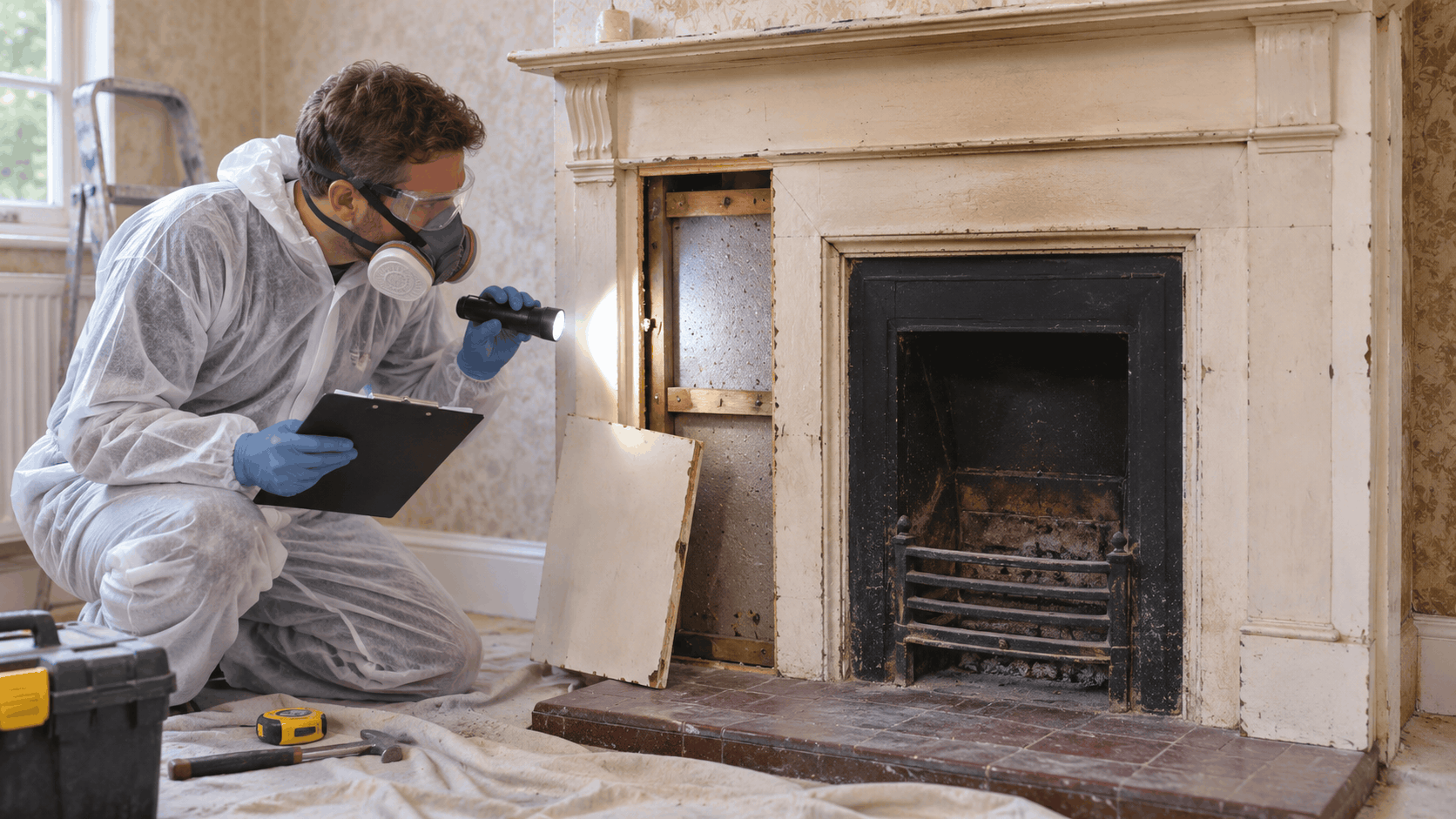
Thinking about removing or renovating an old fireplace? Depending on its age, there could be asbestos-containing materials hidden behind or […]
Read more
October 21st, 2026
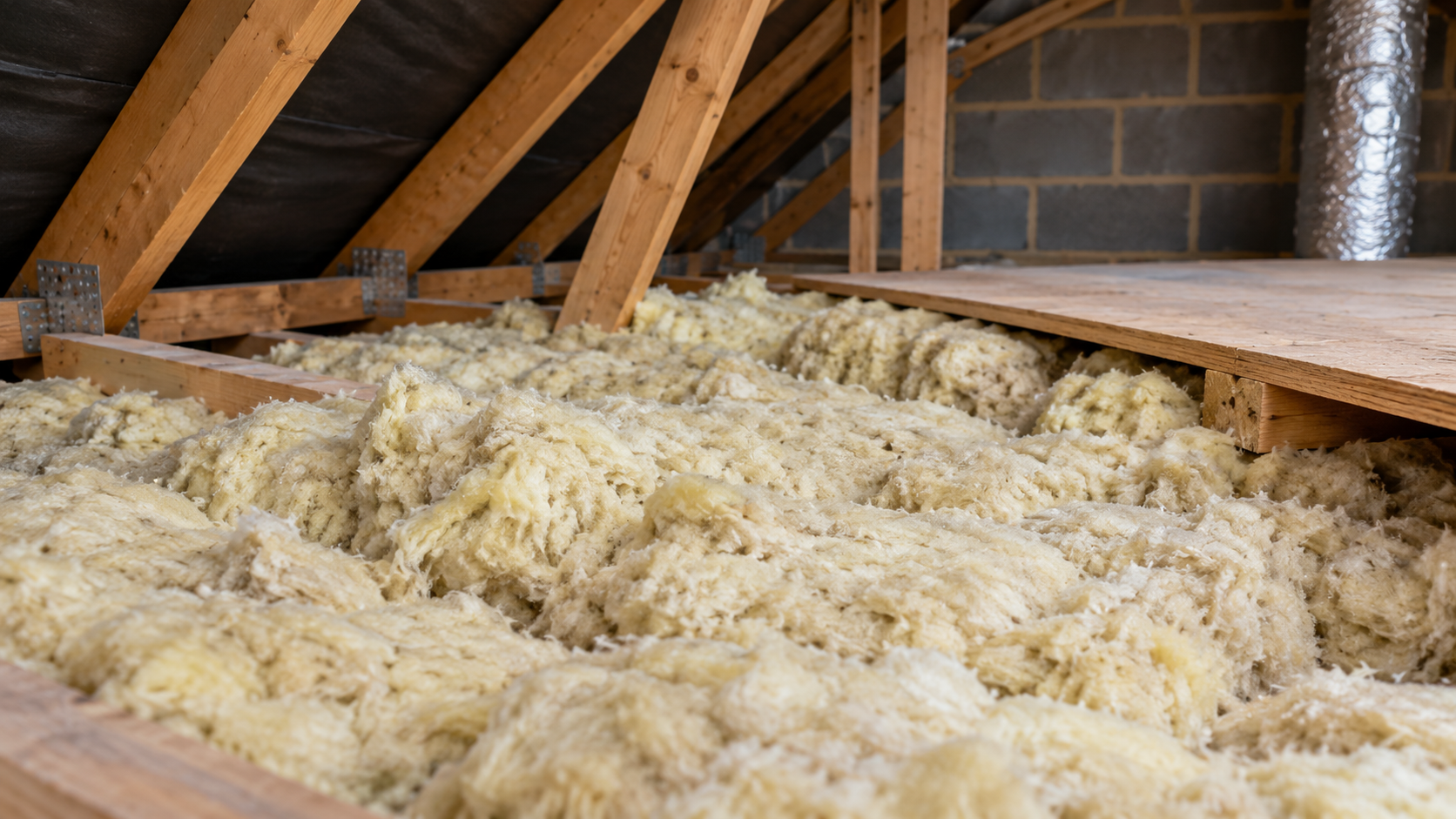
If you’ve come across some unfamiliar insulation in your loft, you might be wondering what it’s made from and whether […]