

Read more
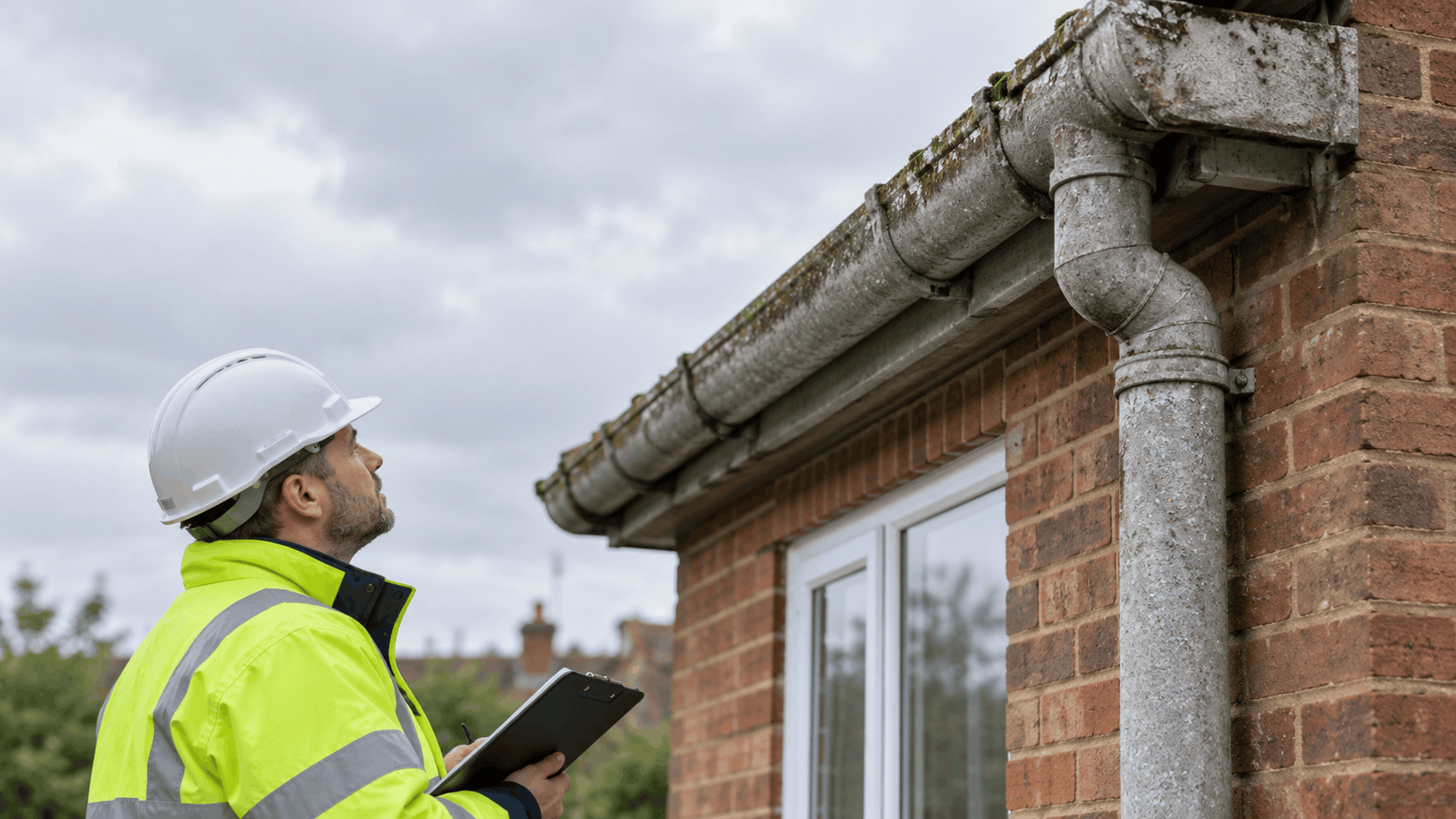
Asbestos Guttering and Downpipes: What Property Owners Need to Know
October 12th, 2026
Noticed some old guttering or downpipes on your property that are starting to deteriorate or need replacing? If your building […]

If asbestos needs to be removed from your property, choosing the right contractor is an important part of making sure the work is carried out safely and correctly.
But how do you know who to trust? A professional website and a competitive quote will only tell you so much. Depending on the work involved, you’ll also need to consider licensing, experience, insurance, working practices and how everything from asbestos waste to final clearance will be handled.
Whether you’re comparing contractors for a home, commercial property or larger site, this checklist will help you understand what to look for, what to ask and which red flags are worth paying attention to.
Not all asbestos removal work requires an HSE-licensed contractor. Some lower-risk work can be carried out as non-licensed work, while other jobs may fall into the category of notifiable non-licensed work (NNLW).
Higher-risk asbestos work will generally require a contractor that holds a licence from the Health and Safety Executive. Whether work is licensable depends on factors including the type of asbestos-containing material (ACM), its condition and how likely the work is to release asbestos fibres.
For example, work involving more friable materials such as asbestos insulation or pipe lagging is treated differently from certain work involving firmly bonded materials.
If you’re unsure which category your project falls into, don’t try to make the distinction yourself. An asbestos professional can assess the work and establish what requirements apply before removal begins.
Once you know the work requires a professional asbestos contractor, there are several things worth checking before you make your decision.
If the work is licensable, check that the contractor holds a current asbestos licence issued by the Health and Safety Executive (HSE). Don’t rely solely on a company describing itself as “licensed”.
Ask to see a copy of the licence and check that it’s still valid, as licences are issued for a specified period and may have conditions attached to them.
Holding the appropriate licence is important, but you should also consider whether the contractor has experience with the type of work you’re asking them to carry out.
Removing asbestos insulation board, pipe lagging, sprayed coatings or asbestos cement can involve very different circumstances. The property matters too. Work in an occupied school or commercial building, for example, may present different challenges to removal from an empty domestic property.
Rather than simply asking how long a company has been operating, ask whether they’ve completed similar projects involving the same type of asbestos and environment.
Asbestos removal should be carried out by people with the appropriate training, knowledge and experience for the work involved.
It’s reasonable to ask who will actually be carrying out and supervising your project, what asbestos training they have and how the contractor makes sure that training and competency remain up to date.
You don’t necessarily need to understand every qualification or training certificate yourself. What matters is that the contractor can clearly demonstrate that the people doing the work are competent to do it.
Ask the contractor for evidence of current insurance and make sure their cover is appropriate for asbestos-related work.
Don’t assume that having general contractor insurance automatically means asbestos work is covered. A reputable contractor should be able to provide details of the relevant policies when asked.
A good contractor should be able to explain how your asbestos will be removed, rather than simply providing a price and a date.
Before work begins, the asbestos and site should be properly assessed and the work planned around the risks involved. Depending on the project, this may cover the removal method, access restrictions, PPE and respiratory protection, enclosures, decontamination arrangements and what should happen if something unexpected occurs.
For licensable work, a suitable written plan of work should set out how the job will be carried out and the controls that will be used.
The contractor’s responsibility doesn’t end once the asbestos has been taken out of the building. Removed asbestos and contaminated materials must also be handled and disposed of correctly.
Ask how the waste will be packaged, who will transport it and where it will be taken. Asbestos waste must follow the appropriate authorised disposal route rather than being placed in an ordinary skip or mixed with general waste.
You should also be able to find out what waste documentation you’ll receive once disposal has taken place.
For licensed asbestos removal where a four-stage clearance is required, the contractor shouldn’t simply finish the work and declare the area ready to use again.
The clearance process should be carried out by an appropriately accredited analyst who is independent of the asbestos removal contractor. This includes a detailed inspection of the work area and clearance air monitoring before the area can be returned to normal use.
If the area successfully passes the required stages, a Certificate of Reoccupation is issued.
Before appointing a contractor, ask what paperwork you’ll receive during and after the project.
Depending on the work, this may include:
Not every asbestos removal project will involve exactly the same documentation, but the contractor should be able to explain what applies to yours.
Price will naturally be part of your decision, but make sure you’re comparing like for like.
Two contractors may quote very different amounts because they’re allowing for different removal methods, access requirements, enclosures, waste quantities, clearance procedures or timescales. Check exactly what each quote includes and whether there are any potential additional costs.
A cheaper quote isn’t automatically a cause for concern, but if there’s a significant difference between quotes, it’s worth understanding why before making your decision.
Finally, look for evidence of the contractor’s previous work. Recent independent reviews, case studies and experience on comparable projects can all give you a better idea of what it will be like to work with them.
For larger or more complex projects, you may also want to ask for relevant references.
Reviews are useful, but they shouldn’t replace the checks above. Strong ratings don’t tell you whether a contractor holds the licence, training, insurance and experience required for your particular asbestos removal project.
When you’re comparing asbestos removal companies, having a few questions prepared can make it much easier to understand exactly what you’re being quoted for and how the work will be handled.
Good to know: A professional contractor should be able to answer relevant questions clearly and explain what will happen before, during and after the removal work.
Most contractors will be able to explain clearly how they plan to approach the work, what qualifications and licences apply and what you’ll receive at the end of the project. If you’re comparing companies, though, there are a few warning signs worth paying attention to.
These can include:
None of these points on their own automatically mean a contractor is unsuitable, but they are good reasons to ask more questions before making a decision.
If something in a quote or proposed method isn’t clear, ask the contractor to explain it. You should be able to understand what work is being carried out, how the risks will be controlled and what you’ll receive once the job is finished.
Before an asbestos removal contractor can properly assess the work involved, they need reliable information about what asbestos is present, where it is, its condition and how much material needs to be removed.
If asbestos has already been identified and you have an up-to-date survey or report, this information can help contractors understand the scope of the work and provide a more informed quote.
If you only suspect asbestos is present, however, arranging the appropriate asbestos survey may need to come first.
An asbestos management survey is used to locate and assess asbestos-containing materials that could be disturbed during normal occupation, use and routine maintenance of a building.
It can provide the information needed to manage identified asbestos and determine whether any further action is required.
If asbestos removal forms part of planned refurbishment or demolition work, a refurbishment and demolition survey may be required.
This is a more intrusive survey designed to identify asbestos-containing materials within the areas that will be affected by the proposed work, including materials that may otherwise remain hidden.
Having the right survey information available before requesting removal quotes also makes it easier to compare contractors on a like-for-like basis, as they’re working from the same information about the asbestos involved.
If asbestos has already been identified and needs to be removed, speak to Malrod about your requirements and we can advise on the appropriate next steps.
Not sure exactly what asbestos is present yet? We can also carry out the appropriate asbestos survey to identify and assess asbestos-containing materials before removal or refurbishment work begins.
Call us today on 01942 811591 or complete our contact form and a member of our team will be in touch.
Malrod is a fully licensed asbestos removal contractor with nearly 50 years of experience working with asbestos across domestic, commercial and industrial properties.
Our qualified and experienced team provides asbestos surveying and asbestos removal services nationwide, giving you support from initial identification through to removal where required.
If your project involves licensable asbestos work, ask the contractor to provide a copy of their current HSE asbestos licence. Licence holders are required to make their licence available for inspection when submitting a tender or quotation, and you should check that it is still valid and whether any conditions apply.
HSE can grant an asbestos licence for a period of up to three years. The exact duration can vary, so don’t assume that a cont
ractor’s licence is still valid simply because they have held one previously.
Check the current licence and its expiry date before appointing a contractor for licensable work.
No. Not all asbestos work is classed as licensable, so an HSE licence isn’t required for every type of asbestos removal.
Whether a licence is required depends on factors including the asbestos-containing material involved, its condition and the nature of the work. Where the work is classed as licensable, it must be carried out by an appropriately licensed contractor.
Yes. Getting quotes from more than one contractor can help you compare the proposed work, timescales and costs.
Make sure you’re comparing the same scope of work rather than looking at the final price alone. Check what each quote includes, such as site controls, waste disposal and clearance requirements.
For asbestos work, a suitable written plan of work should be prepared before the work begins. It sets out how the work will be carried out and the measures that will be used to control the risks involved.
For licensable work, the plan of work forms part of the contractor’s requirements before the work is notified and carried out.
Where a four-stage clearance is required following licensed asbestos removal, the clearance process is carried out by an appropriately accredited asbestos analyst.
Once all required stages have been completed successfully, the analyst can issue the Certificate of Reoccupation confirming that the area has passed the clearance process.
The documents provided will depend on the work carried out, but you may receive waste consignment documentation, air monitoring or clearance records and a Certificate of Reoccupation where applicable.
Keep the relevant records with your property’s asbestos information so there is a clear record of what was removed and the work that was completed.
There isn’t a single price for asbestos removal. Costs depend on factors such as the type and amount of asbestos involved, its location and condition, accessibility, the removal method and the controls required.
Enclosures, waste disposal, air monitoring and clearance requirements can also affect the overall cost. A contractor will usually need sufficient information about the asbestos and site before they can provide an accurate quote.
Read more
October 12th, 2026
Noticed some old guttering or downpipes on your property that are starting to deteriorate or need replacing? If your building […]
Read more
September 30th, 2026
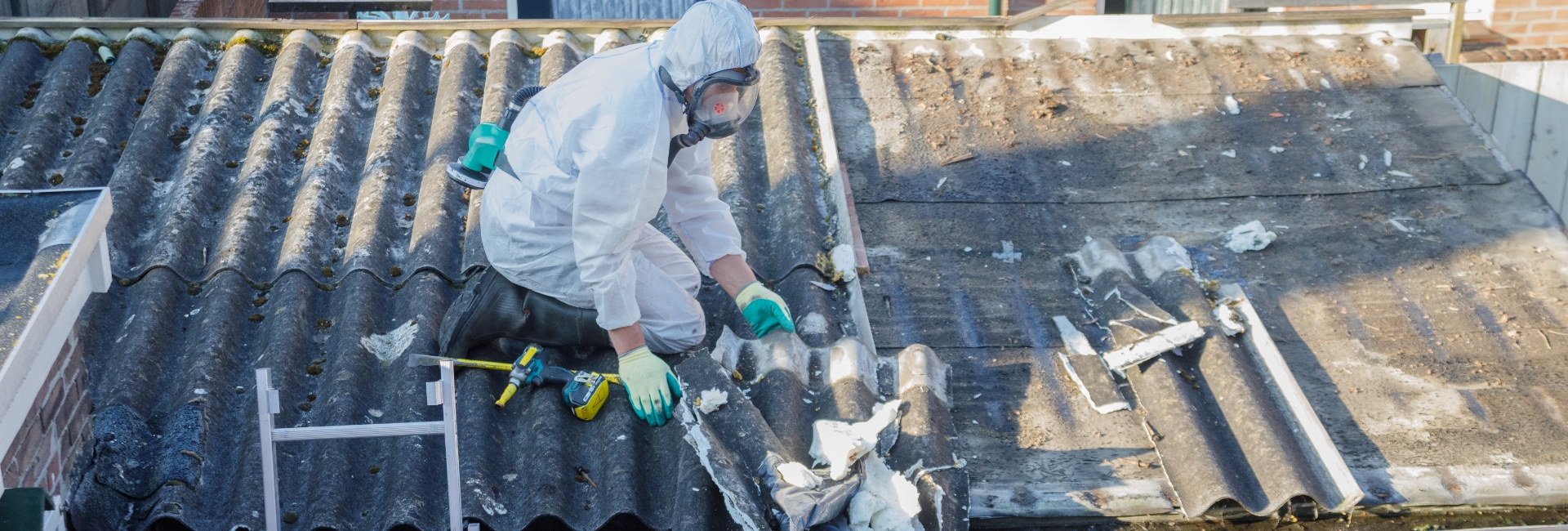
Before asbestos removal begins, there needs to be a written plan for how the work will be carried out safely. […]
Read more

September 28th, 2026
Asbestos in older boilers and industrial plant wasn’t only used in pipe lagging and other forms of insulation. It was […]