

Read more
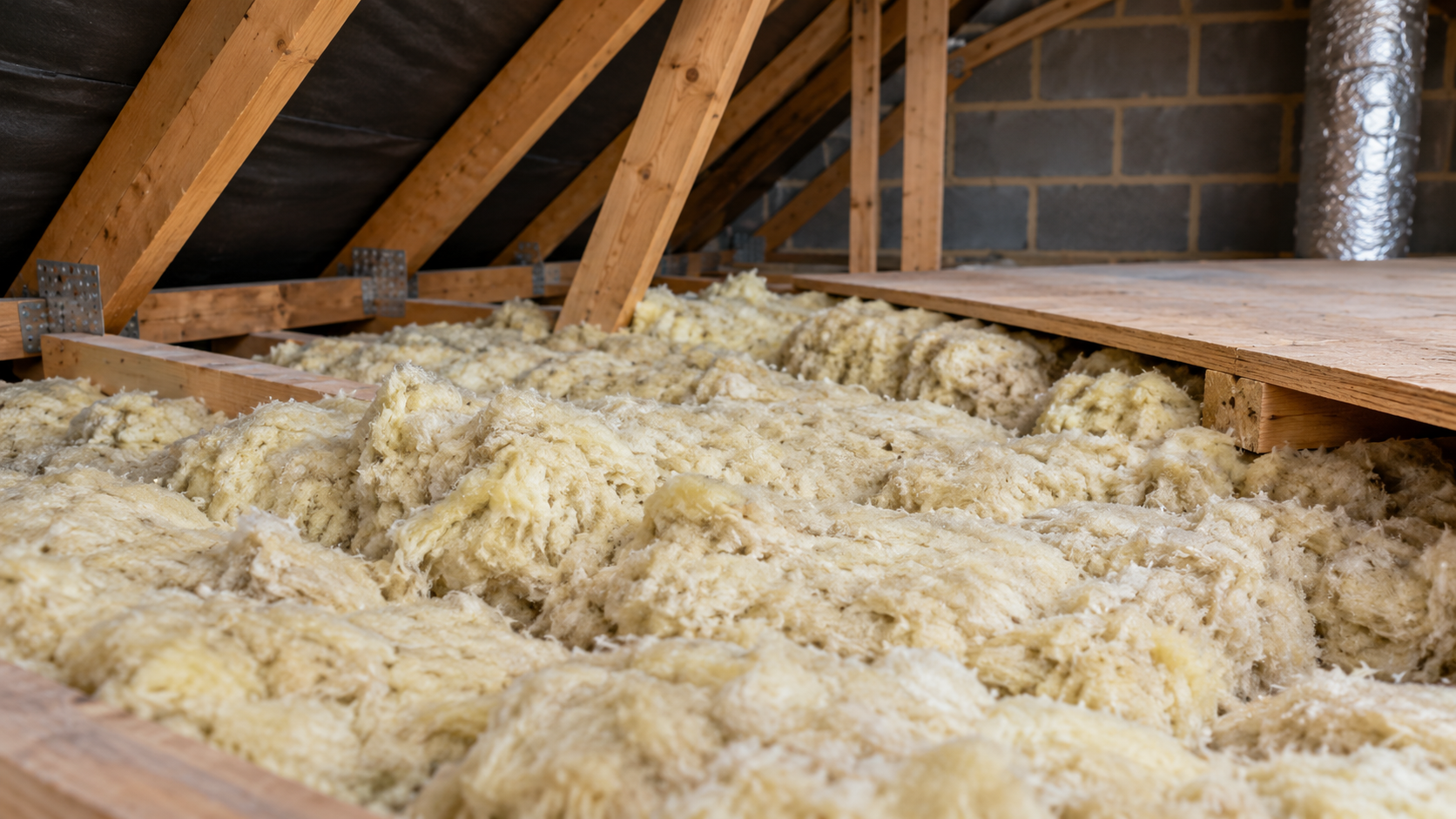
Does Loft Insulation Contain Asbestos? Risks & What to Do
October 21st, 2026
If you’ve come across some unfamiliar insulation in your loft, you might be wondering what it’s made from and whether […]
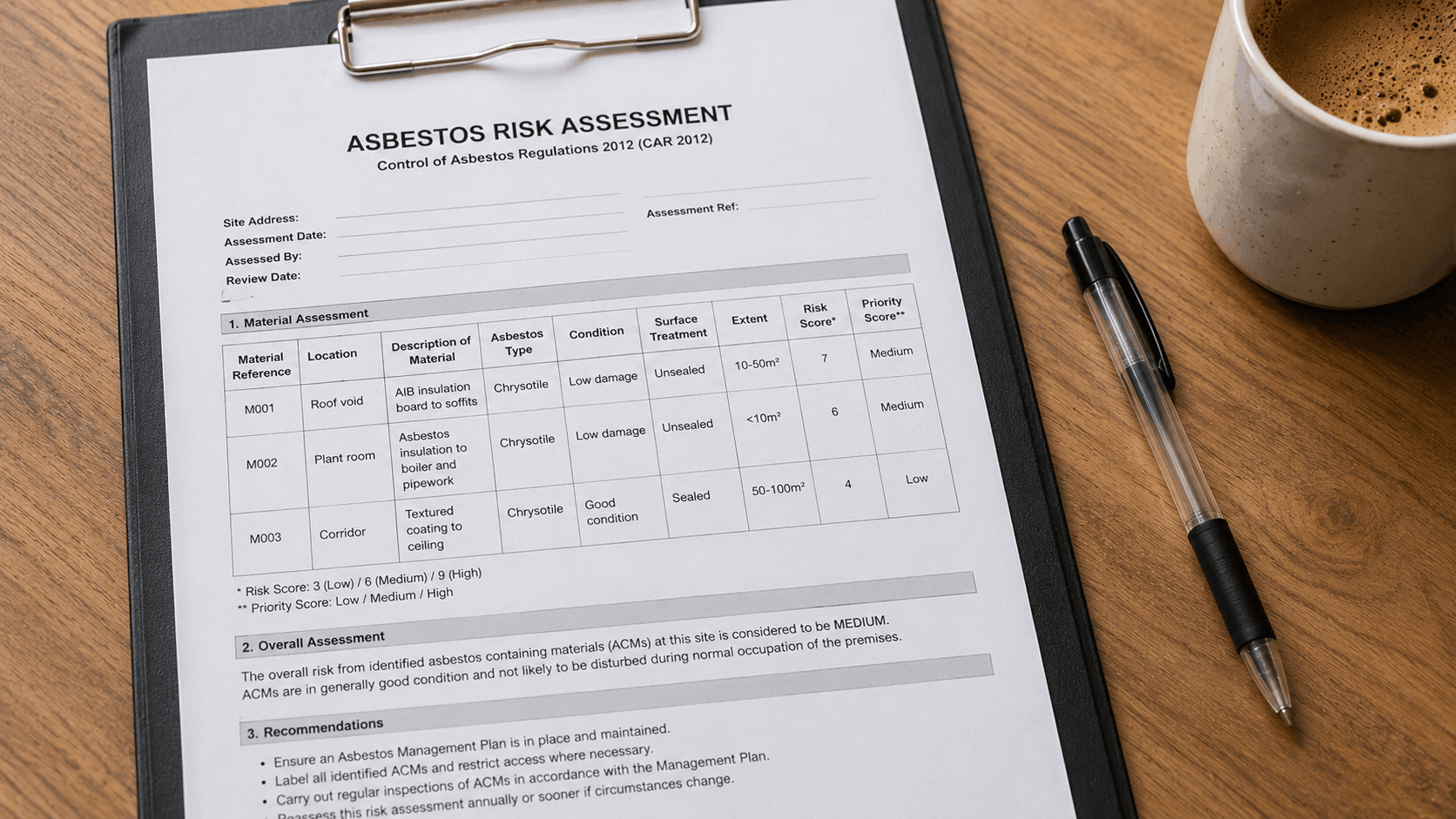
Once asbestos-containing materials (ACMs) have been identified, the next step is assessing the risk they pose and deciding what action, if any, needs to be taken.
An asbestos risk assessment considers the condition and potential risks of asbestos materials. The findings help property owners and duty holders manage asbestos safely and comply with current regulations.
An asbestos risk assessment is carried out to determine the risk posed by asbestos-containing materials (ACMs) within a building. It goes beyond simply identifying the presence of asbestos by assessing its condition, location and the likelihood of it being disturbed.
During the assessment, factors such as damage, accessibility and how the building is used are taken into account. This helps establish whether asbestos fibres could be released and whether occupants, contractors or visitors may be at risk of exposure.
The findings are then used to prioritise any action required, whether that’s ongoing monitoring, encapsulation, repair or removal.
Not all asbestos-containing materials present the same level of risk. In many cases, asbestos can remain safely in place if it is in good condition and unlikely to be disturbed. An asbestos risk assessment helps determine which materials require action and which can continue to be managed safely.
Risk assessments also help property owners and duty holders meet their legal responsibilities under asbestos regulations. By understanding the condition of ACMs and the likelihood of exposure, it becomes easier to prioritise maintenance, repairs and monitoring activities.
The findings can be used to support an asbestos management plan, ensuring asbestos risks are reviewed regularly and managed appropriately. This helps protect occupants, contractors and visitors, while avoiding unnecessary removal work where asbestos materials remain stable and undamaged.
An asbestos risk assessment is often carried out after an asbestos management survey has identified asbestos-containing materials within a building. While a survey confirms the presence of asbestos, a risk assessment helps determine the level of risk those materials pose and how they should be managed.
Risk assessments form an important part of ongoing asbestos management and should be reviewed regularly to ensure information remains accurate and up to date. They may also be required before maintenance work takes place, particularly if there is a possibility that asbestos-containing materials could be disturbed.
Asbestos risk assessments are commonly undertaken in commercial and industrial buildings, including offices, warehouses, schools, healthcare facilities and other public buildings. They should also be reviewed whenever the condition of asbestos-containing materials changes, such as following damage, deterioration or alterations to the building.
By regularly assessing asbestos risks, duty holders can make informed decisions about monitoring, maintenance and any remedial action that may be required.
An asbestos risk assessment involves more than simply identifying asbestos-containing materials. The aim is to understand the level of risk they pose and determine how they should be managed going forward.
The assessment usually begins by reviewing any existing asbestos documentation, including asbestos survey reports, asbestos registers and previous inspection records. This helps build a clear picture of the asbestos-containing materials already identified within the building.
Each asbestos-containing material is then assessed individually. This includes considering its location, accessibility and overall condition, as well as identifying any signs of damage, deterioration or disturbance that could increase the risk of fibre release.
The likelihood of asbestos being disturbed is a key part of the assessment. Factors such as how the building is used, occupancy levels, routine maintenance activities and any planned works are all taken into account when determining the level of risk.
Each asbestos-containing material is assigned a risk rating based on its condition and the likelihood of disturbance. This helps prioritise any action that may be required and ensures resources are focused on the highest-risk areas first.
Once the assessment is complete, recommendations can be made for managing the asbestos safely. Depending on the findings, this may involve continued monitoring, encapsulation, repair work or, in some cases, removal of the asbestos-containing material.
The information gathered during the assessment can then be used to support an asbestos management plan and help duty holders make informed decisions about the ongoing management of asbestos within their building.
Once the assessment has been completed, the findings are compiled into a detailed asbestos risk assessment report. This provides a clear record of the asbestos-containing materials identified within the building and the level of risk they present.
A typical asbestos risk assessment report will include:
The report provides property owners and duty holders with the information they need to make informed decisions about asbestos management, helping them prioritise actions and maintain compliance with current regulations.
Although they are closely linked, an asbestos survey and an asbestos risk assessment serve different purposes.
An asbestos survey is carried out to identify asbestos-containing materials (ACMs) within a building. The survey records the location, type and condition of any asbestos found and provides the information needed to create an asbestos register or management plan.
An asbestos risk assessment takes this information a step further. Rather than identifying asbestos, it assesses the risk posed by the asbestos-containing materials that have already been identified. This includes considering their condition, the likelihood of disturbance and the potential risk to anyone using the building.
In many cases, the two work together. An asbestos survey provides the information needed to identify asbestos, while an asbestos risk assessment helps determine how that asbestos should be managed. Together, they form an important part of effective asbestos management and regulatory compliance.
When it comes to asbestos management, experience matters. Since 1975, we’ve helped homeowners, landlords, businesses and duty holders manage asbestos safely and comply with their legal responsibilities.
Here’s why clients across the UK choose Malrod:
Whether you need an asbestos risk assessment as part of ongoing asbestos management or following a recent survey, our team is here to provide straightforward advice and support.
If you need advice on managing asbestos within your property, our experienced team is here to help. We carry out asbestos risk assessments for domestic, commercial and industrial buildings, providing clear reporting and practical recommendations that help you stay safe and compliant.
Call us today on 01942 811591 or complete our contact form and a member of our team will be in touch to discuss your requirements.
An asbestos risk assessment helps determine the level of risk posed by asbestos-containing materials (ACMs) within a building. It assesses their condition, likelihood of disturbance and potential risk to occupants, contractors and visitors.
Duty holders have a legal responsibility to manage asbestos in non-domestic buildings. An asbestos risk assessment can form an important part of this process by helping identify and manage asbestos-related risks.
Asbestos risk assessments should be carried out by suitably qualified asbestos professionals with the knowledge and experience to assess asbestos-containing materials and provide appropriate recommendations.
Risk assessments should be reviewed regularly and whenever there are significant changes to the building, its use, or the condition of any asbestos-containing materials.
No. If asbestos-containing materials are in good condition and unlikely to be disturbed, they can often remain in place and be managed safely through ongoing monitoring and inspections.
If an ACM is assessed as high risk, recommendations may include increased monitoring, repair work, encapsulation or removal.
Read more
October 21st, 2026
If you’ve come across some unfamiliar insulation in your loft, you might be wondering what it’s made from and whether […]
Read more
October 16th, 2026
Planning to strip a wall, replace a ceiling or renovate an older property? You might be wondering whether the plaster […]
Read more
August 10th, 2026
During property transactions on buildings constructed before 2000, asbestos is a common consideration. While the presence of asbestos may not […]