

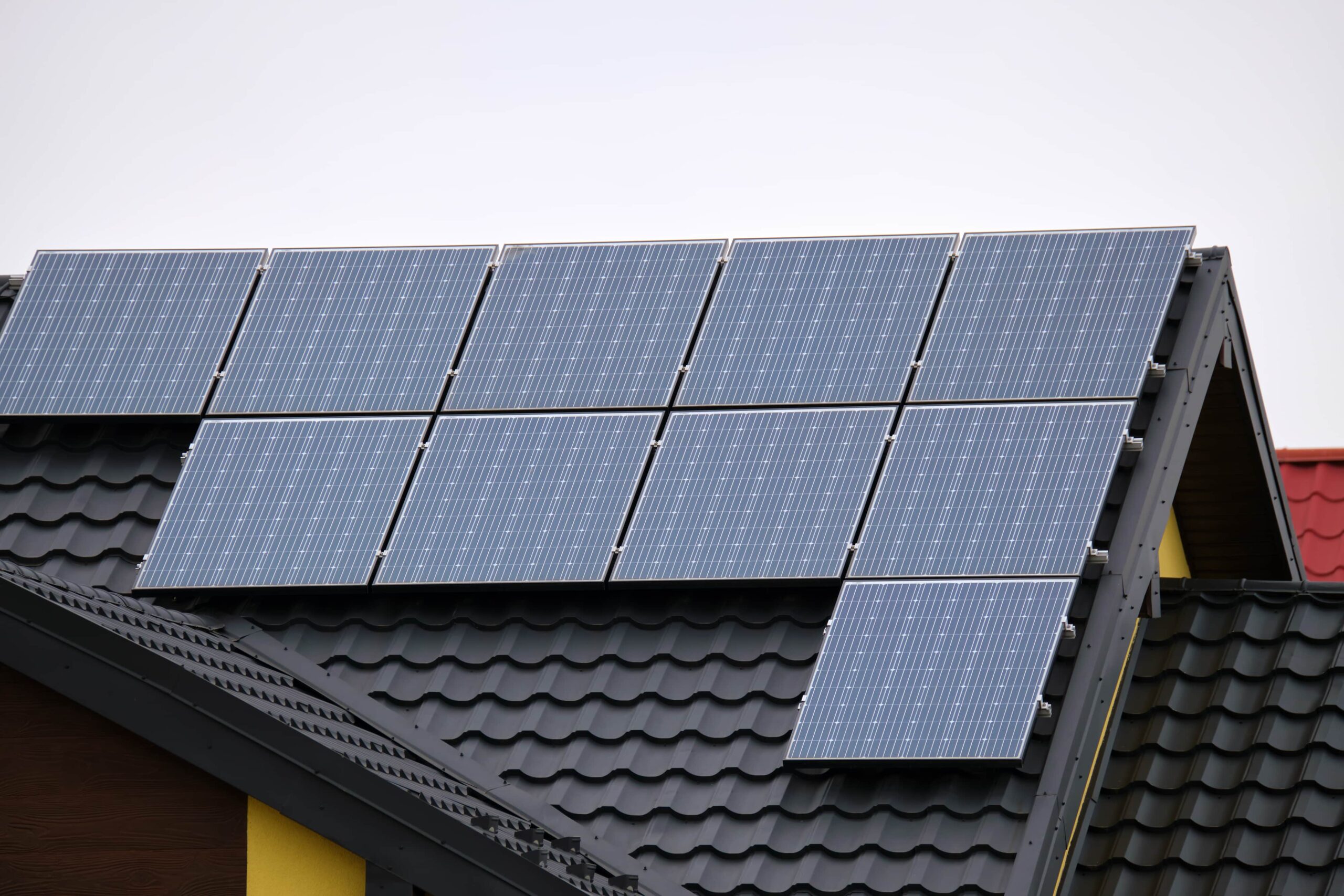
The sheltered space beneath solar panels can provide an ideal place for birds, particularly pigeons, to roost and nest. Once they settle in, droppings and nesting materials can quickly build up beneath and around the array, creating problems for cleaning, maintenance and the panels themselves.
So, how can you stop birds getting underneath commercial solar panels without damaging the system?
What Problems Can Birds Cause Around Commercial Solar Panels?
Once birds begin nesting beneath solar panels, droppings and nesting materials can quickly accumulate across the array and surrounding roof.
Fouling on the panels themselves can block sunlight from reaching the photovoltaic cells, reducing the amount of electricity they generate.
Beneath the panels, nests, feathers and droppings can build up around cabling and components, while debris can also find its way into gutters and roof drainage. This can create additional cleaning and maintenance requirements, particularly where contamination affects roof access routes or areas engineers need to reach.
Significant accumulations of bird guano can also present a health risk when disturbed. You can find out more in our guide to the dangers of bird guano.
How Can You Bird-Proof Commercial Solar Panels?
The most effective approach is to prevent birds from accessing the space beneath the panels in the first place. The right method will depend on the layout of the array, roof and level of bird activity, but there are several areas to consider.
1. Install Solar Panel Mesh
Solar panel mesh is fitted around the outside edge of the array to close the gap between the panels and the roof, preventing birds from getting underneath.
The mesh should be securely attached without drilling into or damaging the solar panels themselves, while still allowing sufficient ventilation and drainage around the array.
It’s important to use a purpose-designed system rather than simply filling or blocking the gap. The mesh also needs to be suitable for the size and layout of the array, with openings small enough to prevent the birds causing the problem from getting through.
2. Make Sure the Entire Array Is Protected
On a large commercial installation, simply fitting mesh along the most obvious exposed edges may not be enough.
Corners, changes in roof level and spaces around mounting systems, cabling and adjoining sections of panels can all provide alternative access points. The entire array should therefore be checked so that birds can’t simply move to another opening once one area has been protected.
3. Consider Bird Deterrents Elsewhere on the Roof
Preventing birds from getting beneath the solar panels doesn’t necessarily stop them from using the rest of the roof.
If birds are also regularly roosting on parapets, ledges, roof edges, signage or plant and equipment, additional bird control measures may be worth considering. Depending on the building and the species involved, this could include netting, spikes or other suitable deterrents.
You can find more general advice in our guide to preventing unwanted bird infestations.
4. Remove Existing Fouling and Nesting Material
If birds have already been living beneath the array, any existing guano and old nesting material should be dealt with before the area is bird-proofed.
How involved this is will depend on the extent of the contamination and how easy it is to access. Significant accumulations may require professional bird dropping removal to safely clear and clean the affected area before exclusion measures are installed.
Before any nests are removed, however, you need to establish whether they are still in use. Active wild bird nests are protected by law, so they can’t simply be cleared away to make room for bird proofing.
Can You Bird-Proof Solar Panels When Birds Are Already Nesting?
You shouldn’t install mesh around an array if doing so could trap birds underneath the panels or interfere with an active nest.
Under the Wildlife and Countryside Act 1981, it is an offence to intentionally take, damage or destroy the nest of a wild bird while it is in use or being built, or to take or destroy its eggs. Some species have additional protection against disturbance while nesting.
If a nest is no longer in use, it can generally be removed without a licence, although additional protection applies to a small number of species that reuse their nests.
Where birds are actively nesting beneath a solar array, it’s therefore important to establish what can legally be done before cleaning or proofing begins. In some circumstances, work may need to be delayed until the nest is no longer active or carried out under an appropriate licence.
Will Bird-Proofing Damage Commercial Solar Panels?
When the right system is installed correctly, bird-proofing shouldn’t require drilling into or modifying the solar panels themselves. Purpose-designed mesh can usually be secured to the panel frames to create a barrier around the array without affecting the panels.
However, the installation still needs to take account of the mounting system, roof covering, cabling, drainage and ventilation around the array.
Before any work goes ahead, it’s also worth checking the warranty requirements for both the panels and the original installation. Using unsuitable fixings or making unauthorised modifications could potentially affect the cover provided.
Should Solar Panels Be Bird-Proofed When They’re Installed?
If pigeons or other birds are already a regular problem around a commercial property, it can make sense to consider bird-proofing when the solar panels are first installed rather than waiting for them to start nesting underneath.
That doesn’t mean every commercial solar array automatically needs bird-proofing. Existing bird activity, previous nesting problems, the roof design, location and layout of the array can all help determine whether preventative measures are worthwhile.
Installing protection early also avoids having to remove accumulated guano and nesting material before the array can be bird-proofed later.
How Do You Maintain Bird-Proofed Solar Panels?
Bird-proofing should be checked periodically to make sure it remains secure and there are no new gaps that birds can use to get beneath the panels.
Look for loose or damaged mesh, new nesting activity, accumulated droppings and debris around roof drainage. It’s also worth checking the bird-proofing after any solar panel or roof maintenance, as sections may have been moved or removed to provide access.
Can You Clean Bird Droppings From Solar Panels Yourself?
A small amount of bird fouling on an accessible surface may be relatively straightforward to clean. However, removing significant accumulations of bird droppings from commercial solar panels can be a much more involved job.
Bird guano may have built up beneath the panels alongside feathers and nesting material, often in areas that are difficult to reach. On a commercial roof, the work can also involve working at height and cleaning around solar equipment and cabling.
Dried bird guano can present a health risk when disturbed, particularly if the cleaning method causes contaminated dust to become airborne. Large accumulations therefore need to be removed using appropriate controls rather than simply swept or brushed away.
Professional bird dropping removal can be used to clear accumulated guano and nesting debris from beneath and around commercial solar arrays before the area is cleaned and bird-proofing measures are installed.
At Malrod, we provide commercial bird dropping and bird guano removal across the UK, including contaminated roofs and other difficult-to-access areas.
Where birds have become established beneath solar panels, our team can assess the contamination and determine the appropriate cleaning and removal method for the site.