

Read more
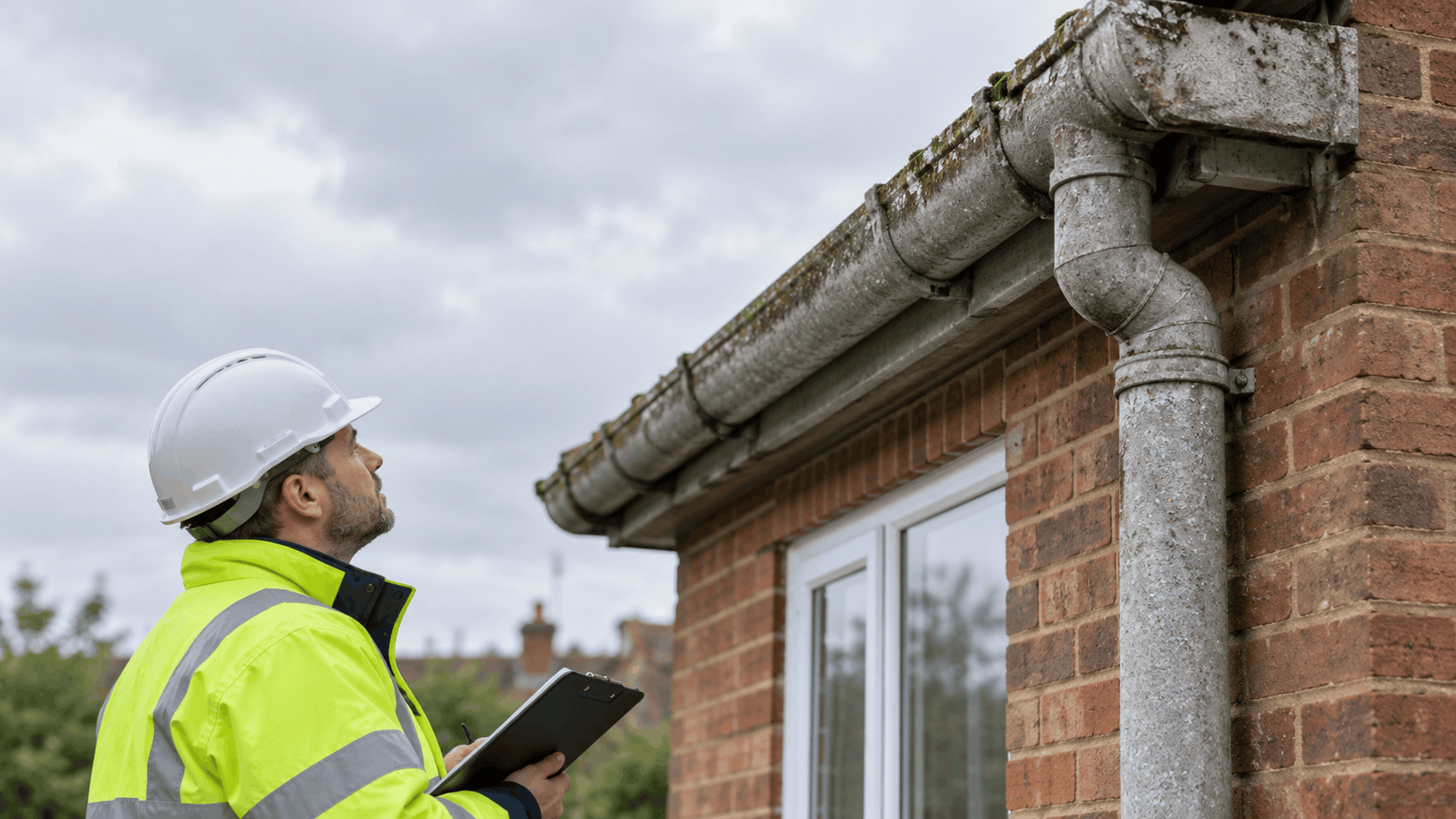
Asbestos Guttering and Downpipes: What Property Owners Need to Know
October 12th, 2026
Noticed some old guttering or downpipes on your property that are starting to deteriorate or need replacing? If your building […]
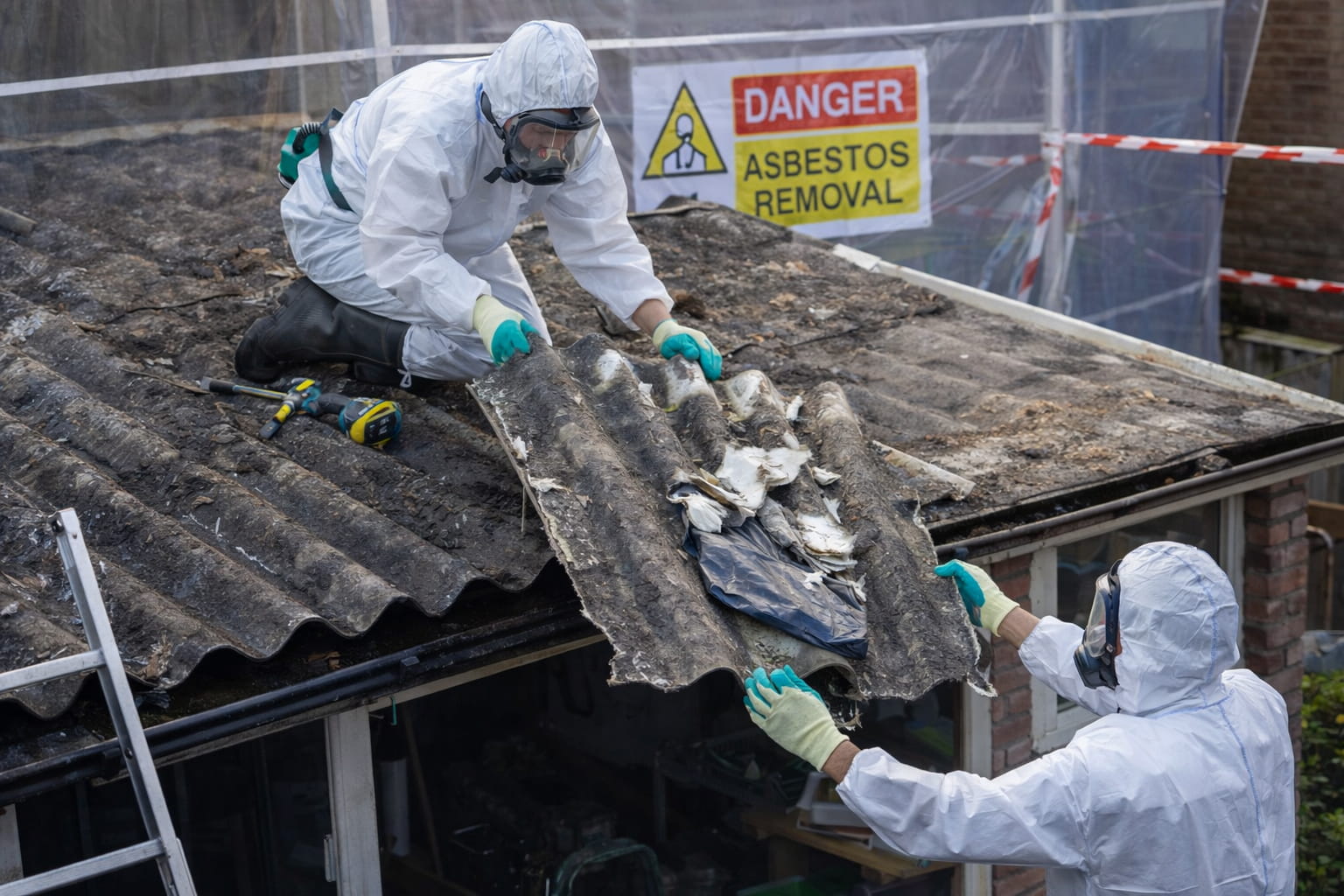
Asbestos removal isn’t the same in every setting. The approach taken in a home can be very different from the work required in an office block, warehouse or public building.
The materials involved may be similar, but the legal responsibilities, scale of the project and level of planning required can vary significantly between domestic and commercial properties.
If you’re trying to understand which asbestos removal service applies to your property, this guide explains the key differences and what you need to consider before work begins.
One of the biggest differences between commercial and domestic asbestos removal is who holds legal responsibility.
If you own, lease or manage a commercial building, you have a legal duty to manage asbestos under the Control of Asbestos Regulations 2012.
This applies to:
Duty holders must take reasonable steps to identify asbestos, assess the risk and ensure it is managed safely. In many cases, this starts with an asbestos survey and may lead to formal management plans or removal works where materials are damaged or likely to be disturbed.
Commercial asbestos removal projects are therefore often driven by compliance requirements as much as practical need. Documentation, risk assessments and clear plans of work are essential.
For homeowners living in their own property, there is no formal “duty to manage” under the same regulations.
However, asbestos can still present a risk if it is damaged or disturbed during renovation. If you appoint contractors to carry out building work, they must not be exposed to asbestos. In practice, this means asbestos should be identified and dealt with safely before work begins.
Landlords of residential properties sit somewhere in between. While the regulations are different from commercial settings, they still have responsibilities to ensure tenants and contractors are not put at risk.
Domestic asbestos removal is therefore usually reactive, linked to renovations, garage removals or roofing works, rather than ongoing compliance management.

While asbestos can be found in both homes and commercial buildings, the type and scale of removal work often differs.
In commercial settings, asbestos is often found in areas that were designed for fire protection, insulation or large‑scale construction.
Typical projects may involve:
Commercial projects are typically more complex than domestic ones as they may require coordination with other contractors, restricted working hours, segregation of work areas and formal clearance procedures before the building can be handed back for use.
In homes, asbestos is more commonly found in materials used for cost‑effective construction and outbuildings.
Typical domestic removal work includes:
Domestic projects are usually smaller in scale and completed more quickly, but they still require the same care, containment and compliant waste disposal.
Homeowners looking for domestic asbestos removal are often planning renovation works or replacing aging garage roofs and want the reassurance that the job is handled properly from start to finish.
The health risks associated with asbestos are the same in any setting. What differs is the scale of the work and the level of planning required.
Commercial asbestos removal is often more structured due to the size of the building and the number of people affected.
Projects may involve:
In many cases, commercial removal forms part of a wider refurbishment, demolition or asset management programme. Careful coordination is essential to keep projects on schedule and compliant.
Domestic asbestos removal is usually more contained.
Many residential jobs involve asbestos cement materials, which are lower risk when intact but still require controlled removal and correct disposal. Planning is typically more straightforward, and work is often completed within a shorter timeframe.
That said, licensed removal procedures still apply where higher‑risk materials are involved, and waste must always be transported and disposed of legally.
For homeowners, the focus is often on safe removal with minimal disruption to daily life rather than ongoing compliance management.
Whether asbestos is in a commercial building or a private home, the health risks are the same. Asbestos becomes dangerous when fibres are released and inhaled, which typically happens when materials are damaged, drilled, cut or broken.
In commercial environments, there may be employees, contractors and members of the public to consider. Work often needs to be carefully segregated to prevent disruption and protect multiple occupants.
In domestic settings, the concern is usually focused on family members and tradespeople carrying out renovations. While the area may be smaller, the need for proper control measures is no less important.
Attempting to remove asbestos without the correct training, equipment or disposal routes can create greater risk than leaving it undisturbed. Using licensed, experienced contractors, such as Malrod, ensures materials are handled safely and disposed of in line with UK regulations.
In most situations, the type of asbestos removal service you require depends on the property itself and your role in relation to it.
If the work relates to a business premises, rental portfolio, public building or development project, the requirements will usually fall under commercial asbestos removal. These projects often involve formal compliance obligations, structured plans of work and coordination with other contractors on site.
If the work relates to your own home, such as removing a garage roof, replacing soffits or carrying out renovation, the scope is typically more contained. Domestic asbestos removal is usually focused on resolving a specific issue safely and efficiently so other works can proceed.
At Malrod, we carry out both commercial and domestic asbestos removal across Bolton and the UK.
Because we operate in both sectors, we can advise clearly on what applies to your situation and ensure the work is handled in line with current regulations, whether the setting is a family home, office block or industrial facility.
Whether you’re responsible for a commercial property or planning work on your home, asbestos should never be approached without proper advice. The requirements can differ, but the priority is always the same: safe, compliant removal carried out by experienced professionals.
Malrod has been delivering licensed asbestos removal services since 1975, supporting homeowners, landlords and businesses across Bolton and the UK. If you’re unsure what your project involves or what your responsibilities are, our team can provide clear guidance and a straightforward quotation to help you move forward with confidence.
The removal methods are similar, but commercial projects usually involve stricter compliance requirements, larger work areas and more formal documentation.
Yes. Commercial property owners and duty holders have a legal obligation to manage asbestos under the Control of Asbestos Regulations 2012. Homeowners do not have the same duty, but asbestos must still be handled safely.
Some lower‑risk materials can legally be removed by homeowners, but it is not recommended. Improper handling can release fibres and create a greater health risk.
It often is. Commercial projects may require licensed work, HSE notification, air monitoring and formal clearance certification before areas can be reoccupied.
It depends on the type of property and the nature of the work. Malrod can advise whether your project falls under domestic or commercial asbestos removal and outline the safest next steps.
Read more
October 12th, 2026
Noticed some old guttering or downpipes on your property that are starting to deteriorate or need replacing? If your building […]
Read more
September 30th, 2026
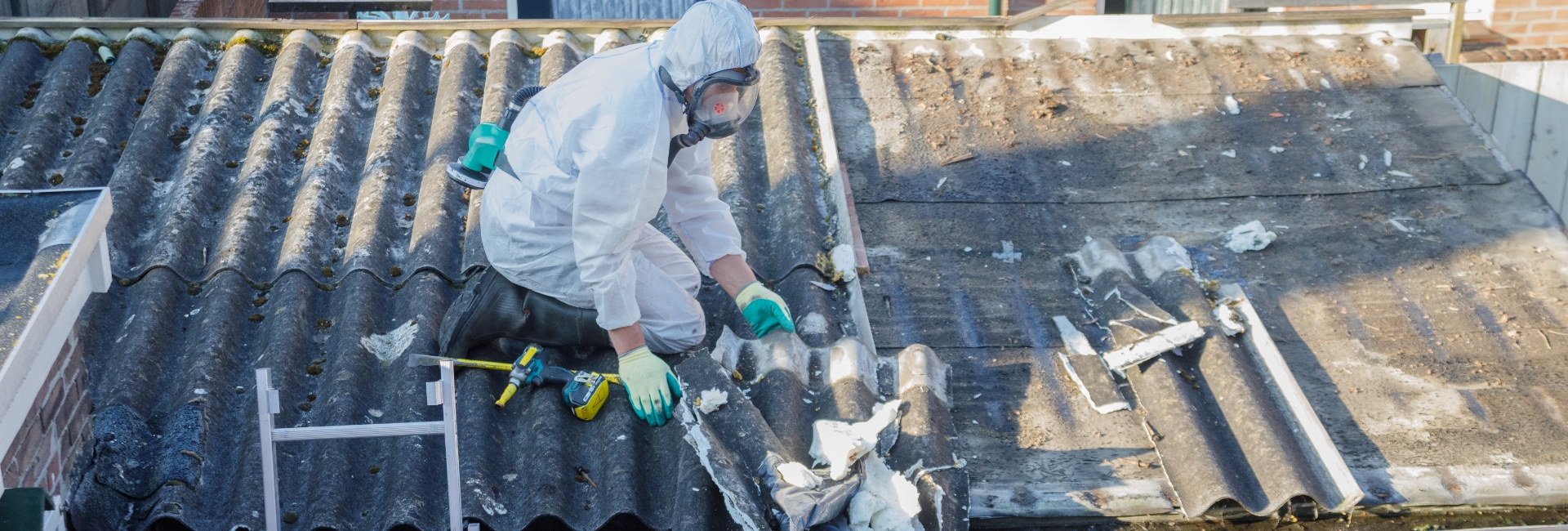
Before asbestos removal begins, there needs to be a written plan for how the work will be carried out safely. […]
Read more

September 28th, 2026
Asbestos in older boilers and industrial plant wasn’t only used in pipe lagging and other forms of insulation. It was […]