

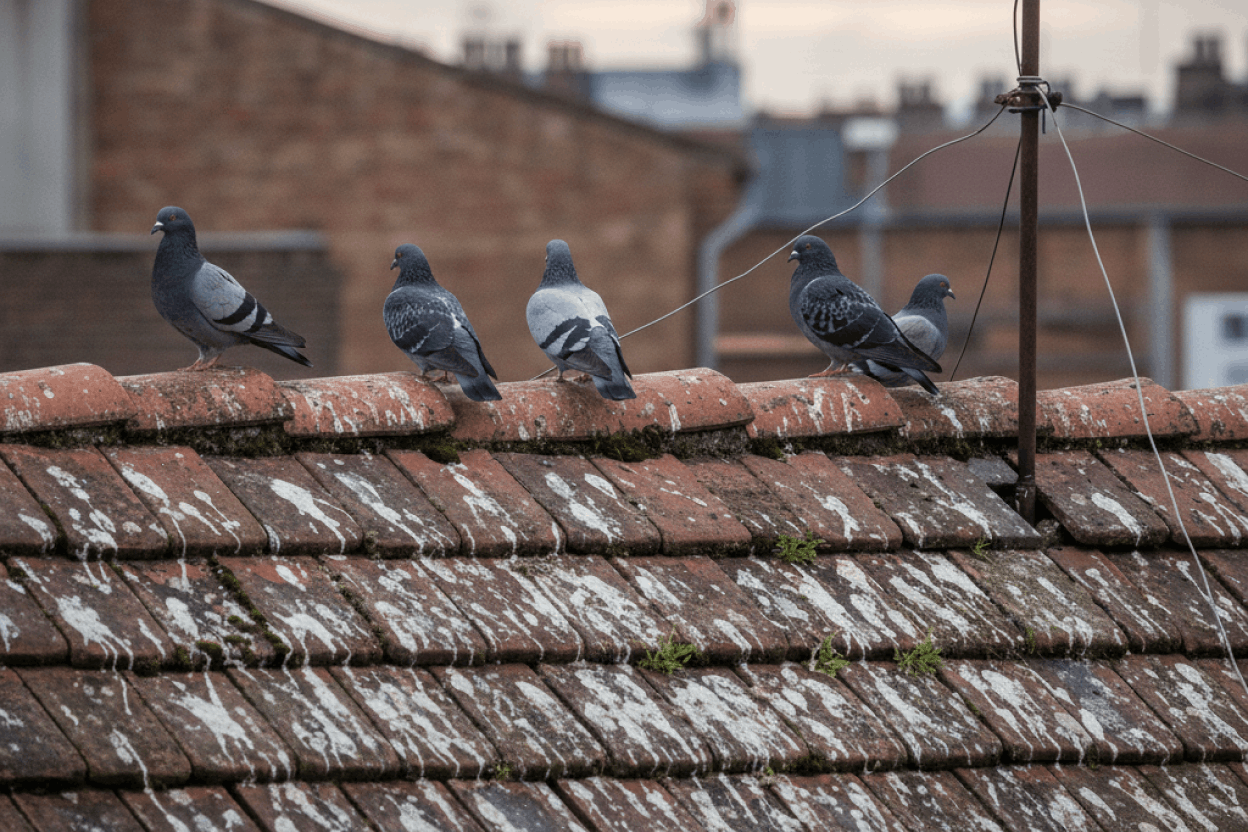
Finding bird droppings on a building is common, especially in towns and cities. Most people know it’s unpleasant, but many aren’t sure whether it’s actually harmful or just a cosmetic issue.
The reality sits somewhere in between. A single dropping on a windowsill isn’t the same as a long‑term build‑up in a loft, roof area, or ventilation space.
When bird guano becomes a problem
Bird guano is the term used for accumulated droppings. Over time, it can dry out, break down, and become easier to breathe in, particularly in enclosed or hard‑to‑reach areas.
This is why bird dropping removal is often recommended where droppings have built up or are affecting areas people regularly access or maintain.
This article explains the real risks associated with bird guano, when it should be taken seriously, and when professional cleaning is the safest option.
What is bird guano?
Bird guano is simply the term used for bird droppings, particularly when they build up over time. It’s most commonly associated with pigeons in urban areas, but it can come from any bird that regularly roosts on or inside a building.
A single dropping usually isn’t a cause for concern. Problems tend to arise when droppings are allowed to accumulate on ledges, roofs, balconies, or inside spaces like lofts and plant rooms.
As guano builds up, it dries out and breaks down. This is important because dried droppings can be disturbed more easily, especially during cleaning, maintenance, or repair work. When that happens, fine dust particles can be released into the air.
It’s this build‑up. rather than the occasional mess, that creates potential health and hygiene risks, which is why areas affected by ongoing bird activity often need proper assessment and cleaning.
Is bird guano actually dangerous?
Bird guano can be dangerous in certain situations, but the level of risk depends on where it is, how much has built up, and whether it’s likely to be disturbed.
Dried bird droppings can contain bacteria and fungi that may cause illness if contaminated dust is breathed in. This risk is higher in enclosed or poorly ventilated spaces, such as lofts, roof voids, plant rooms, or behind cladding, where droppings can go unnoticed for long periods
The risk also increases during cleaning or maintenance work. Sweeping, brushing, or scraping dried guano can release fine particles into the air, making inhalation more likely.
For this reason, areas with significant build‑up are often dealt with using professional bird dropping cleaning, rather than basic surface cleaning, to reduce the chance of exposure and ensure the area is properly sanitised.
In short, bird guano isn’t automatically hazardous in every situation, but it shouldn’t be ignored where it has accumulated or could be disturbed.
Health risks linked to bird droppings
The main health risks associated with bird droppings come from exposure to contaminated dust rather than direct contact. When guano dries out and is disturbed, tiny particles can become airborne and breathed in.
In some cases, this exposure can lead to respiratory infections or flu‑like symptoms. People with existing breathing conditions, weakened immune systems, or those who are regularly exposed through work may be more vulnerable.
There is also a hygiene risk where droppings are present in areas people use or maintain. Bacteria carried in bird droppings can contaminate surfaces, tools, and protective clothing if the area isn’t cleaned properly.
It’s worth noting that the risk is generally linked to ongoing exposure or significant build‑up, rather than occasional contact. This is why problems often arise in spaces that aren’t accessed regularly, such as lofts, roof spaces, or service areas.
Where droppings are widespread or difficult to access, pigeon guano removal carried out under controlled conditions helps reduce these risks and ensures affected areas are properly cleaned and sanitised.
Where bird guano causes the most problems
Bird droppings can turn up almost anywhere, but problems tend to arise in places where guano is allowed to build up or go unnoticed.
Common problem areas include:
Roofs and ledges
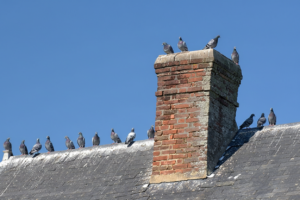
Birds often roost on flat surfaces and sheltered edges, allowing droppings to accumulate over time.
Lofts and roof voids
These enclosed spaces can hide large amounts of guano, increasing the risk of airborne dust when accessed.
Balconies and communal areas
Regular use means there’s a higher chance of contact or disturbance.
Ventilation systems and plant rooms
Droppings near air intakes or equipment can affect air quality and hygiene.
Commercial and industrial buildings
Warehouses, factories, and public buildings often have large roof areas and structural features that attract birds.
In these locations, bird dropping cleaning services are often needed not just to improve appearance, but to reduce health risks and prevent further contamination.
Structural and property damage caused by bird guano
Health risks are often the main concern, but bird guano can also cause long‑term damage to buildings if it’s left untreated.
Bird droppings are acidic. Over time, this acidity can break down paintwork, stone, brick, and metal surfaces. On roofs and ledges, repeated contamination can lead to staining, corrosion, and surface deterioration.
Blocked gutters and drainage systems are another common issue. Guano can build up alongside nesting materials, preventing water from draining properly and increasing the risk of damp or water damage.
In commercial settings, droppings around ventilation systems or roof‑mounted equipment can affect performance and create additional maintenance problems.
While occasional cleaning may deal with surface mess, areas affected by ongoing contamination often need proper pigeon guano cleaning to prevent further damage and avoid more costly repairs in the future.
Can you clean bird droppings yourself?
Small, isolated bird droppings in open, well‑ventilated areas can sometimes be cleaned safely with care. However, problems often arise when droppings have built up over time or are in enclosed or hard‑to‑reach spaces.
Dry sweeping or brushing bird droppings is not recommended. When guano is disturbed, especially once it has dried out, fine particles can become airborne and breathed in.
Standard household cleaning equipment and basic protective gear are rarely enough to manage this risk.
There’s also the issue of proper disinfection. Simply removing visible droppings doesn’t address bacteria or contamination left behind on surfaces.
For these reasons, areas with significant build‑up, difficult access, or repeated bird activity are usually best dealt with using professional pigeon guano removal, where the area can be cleaned, sanitised, and the waste disposed of safely.
When professional bird guano removal is recommended
Professional cleaning isn’t necessary for every bird dropping, but there are situations where it’s the safest and most practical option.
You should consider professional bird guano removal if:
- Droppings have built up over time, rather than being a one‑off issue
- The affected area is enclosed, such as a loft, roof void, or plant room
- Guano is present in hard‑to‑reach or high‑level areas, including roofs and ledges
- The building is commercial or public‑facing, where hygiene and safety standards are higher
- Maintenance or repair work is planned that could disturb dried droppings
- There are ongoing health concerns for occupants or workers
In these situations, bird dropping removal services allow the area to be cleaned and sanitised under controlled conditions, reducing the risk of exposure and preventing further contamination.
Bird guano FAQs
Is bird guano dangerous to touch?
Brief contact isn’t usually harmful, but it’s not recommended. Bird droppings can contain bacteria and fungi, and handling them without protection increases the risk of transferring contamination to your hands, clothing, or other surfaces.
Can bird droppings make you ill?
In some cases, yes. Illness is most commonly linked to breathing in dust from dried droppings, particularly in enclosed or poorly ventilated spaces. The risk increases with prolonged exposure or large build‑ups.
Are pigeon droppings more dangerous than other bird droppings?
Pigeon droppings are a common issue in urban areas because pigeons often roost in large numbers. This leads to greater accumulation over time, which increases the risk compared to isolated droppings from other birds.
Is it safe to clean bird guano with a vacuum or pressure washer?
No. Vacuuming or pressure washing dried droppings can release fine particles into the air, increasing the risk of inhalation. These methods can also spread contamination to surrounding areas if not properly controlled.
How quickly should bird droppings be removed?
It’s best to deal with bird droppings as soon as a build‑up is noticed. The longer guano is left, the more it dries out, spreads, and increases both health and property risks.
When should I use professional bird dropping removal?
Professional bird dropping removal is recommended where droppings are widespread, difficult to access, or located in enclosed areas, or where there are concerns about health, hygiene, or ongoing bird activity.