

Read more
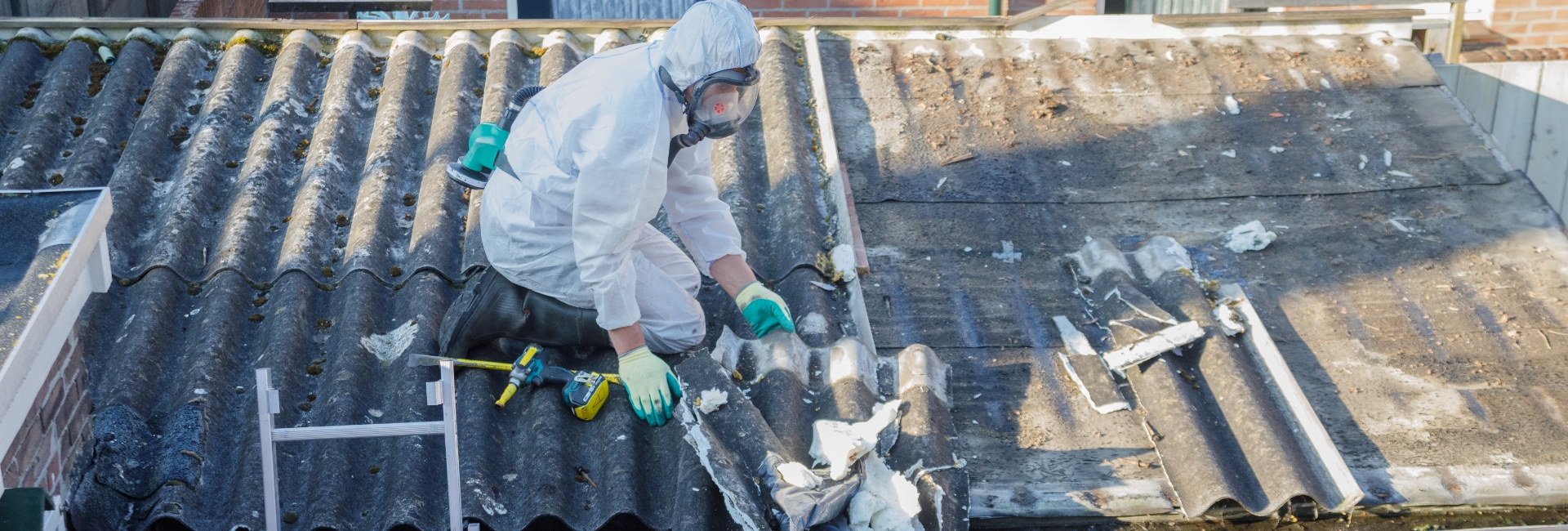
Asbestos Removal Plan of Work: What Should It Include?
September 30th, 2026
Before asbestos removal begins, there needs to be a written plan for how the work will be carried out safely. […]

If your home or business is due to undergo asbestos removal, it’s completely normal to have questions such as “What needs to be moved?” “Do you need to leave the property?” “Will it disrupt neighbours or staff?”
In this guide, we’ll explain how you can make sure your property is properly prepared beforehand, so that the asbestos removal can go ahead smoothly, whether you’re a homeowner, landlord, site manager, or business owner.
Before you start clearing rooms or rearranging schedules, it’s important to understand exactly what work is being carried out.
Asbestos removal should always be based on a professional asbestos survey. This identifies:
If you’re unsure what is being removed or why, ask for clarification before the project begins.
Not all asbestos removal projects require full property access. In some cases, the work may be limited to a single room, a garage or outbuilding, a roof space or even just on specific materials such as ceiling tiles or pipe insulation.
Understanding the exact work area will help you decide what needs to be cleared and whether parts of the property can remain in normal use.
In many cases, especially where licensed asbestos removal is involved, you may be advised to temporarily leave the affected area, or the entire building, while work is underway. This is to keep you and others safe whilst the team effectively remove all of the asbestos.
Most asbestos removal companies will let you know the following before the project begins:
Having these details in advance allows you to plan properly, whether that means arranging alternative accommodation, adjusting work schedules, or notifying occupants.
Every project is different. Removal could take a few hours for small, contained areas, or several days for more complex work.
Knowing the timeframe helps you plan access and inform household members, tenants, or staff, as well as coordinating other trades if it’s part of a renovation.
If asbestos removal is being carried out in a home you still occupy, preparation is mainly about keeping disruption to a minimum and ensuring the work area can be accessed safely.
The exact steps will depend on the scale of the project, but the following guidance covers most situations.
Not every home asbestos removal project requires you to leave. In some cases, only a specific room or area will be sealed off while work takes place. However, temporary relocation may be recommended where:
If you are asked to vacate, this is a precautionary measure to ensure the work can be completed safely and efficiently.
Any room or space where asbestos is being removed should be cleared as much as possible beforehand.
This may include:
The clearer the area, the easier it is for contractors to work safely and contain the removal zone properly.
While professional asbestos removal involves controlled containment, it’s sensible to protect items in adjacent rooms where practical.
You may wish to:
Your contractor will advise on what is necessary and what is simply precautionary.
Children and pets should be kept completely away from the work area at all times. If the removal affects shared living space, arranging for them to stay elsewhere during the work can reduce stress and disruption.
In terraced, semi‑detached, or closely connected properties, it’s courteous to let neighbours know that licensed asbestos removal contractors will be carrying out controlled work. This helps prevent unnecessary concern if they see protective equipment or temporary enclosures.
Preparation in a lived‑in home is largely about communication and access. With clear planning, most projects can be completed smoothly and with minimal impact on daily life
When asbestos removal forms part of a renovation or refurbishment project, preparation is largely about coordination. The goal is to prevent accidental disturbance and avoid delays once work begins.
If builders, electricians, plumbers, or decorators are already on site, work in the affected area should stop until the asbestos has been safely removed.
Continuing renovation work before professional asbestos removal is completed can increase the risk of accidental disturbance which could spread contamination and cause project delays if work has to be halted unexpectedly.
It’s best to treat asbestos removal as a standalone stage before other refurbishment works resume.
Contractors will need safe and direct access to the affected area. Before work begins, make sure:
Good site access helps the removal process run efficiently and reduces disruption to the overall project schedule.
If the building is unoccupied during renovation, ensure it remains secure before, during, and after removal works. This may include locking access points and installing temporary fencing if needed to prevent unauthorised entry into restricted areas.
This is particularly important once containment measures are set up.
Asbestos waste must be handled and transported in line with strict regulations. While your contractor will manage this, you should ensure there is sufficient space for:
Clear planning at this stage prevents bottlenecks and keeps the renovation timeline on track. When asbestos is dealt with early and properly, it allows the rest of the project to move forward safely and without unexpected setbacks.
In a business setting, preparation goes beyond clearing a room. It involves communication, compliance, and ensuring employees or visitors remain safe throughout the process.
Whether the work affects a small office area or part of a larger industrial site, planning ahead is essential.
Clear communication helps prevent concern and confusion. Staff should be informed:
Commercial asbestos removal carried out by licensed professionals follows strict safety procedures. Explaining this upfront can help reassure employees that the situation is being managed responsibly.
For duty holders and facilities managers, it’s important to ensure all relevant documentation is in place, including the asbestos survey, method statements from the removal contractor, risk assessments and access control plans.
Coordinating this information in advance helps demonstrate compliance and avoids delays once work begins.
Work zones should be clearly identified and kept separate from normal operations. Depending on the layout of the building, this may involve temporary barriers
Where possible, scheduling commercial asbestos removal services during quieter periods can significantly reduce disruption.
If the affected area is critical to daily operations, consider:
Proactive planning ensures the business can continue operating safely while removal is completed.
With the right preparation, asbestos removal in commercial environments can be managed efficiently, with minimal impact on staff, customers, and operations.
When asbestos has been identified, it’s just as important to know what not to do as it is to prepare properly. Well‑intentioned actions can sometimes make the situation worse.
Here are the key things to avoid:
Asbestos removal should only ever be carried out by trained and, where required, licensed professionals. Attempting DIY removal can:
Even small‑scale disturbances can cause problems if not handled correctly.
If asbestos‑containing materials have been identified, avoid any activity that could disturb them.
This includes:
Disturbance is what creates airborne fibres, and that’s what proper asbestos removal services are designed to control.
If you notice dust or debris near affected materials, do not sweep or use a standard household vacuum. This can spread fibres rather than contain them.
Leave any suspected debris untouched until professionals assess it.
Builders, electricians, and maintenance staff should not continue working in the affected area until removal has been completed and clearance confirmed.
Trying to “work around” asbestos removal often leads to delays and additional costs later.
Knowing what will happen on the day itself can make the process feel far more manageable. While every project differs, most professional asbestos removal follows a structured and carefully controlled approach.
When contractors arrive, the first step is usually setting up the work area. This may involve:
This setup phase is designed to contain the work area and prevent the spread of dust or debris.
Once removal begins, access to the affected area will be strictly limited. Depending on the scope of the project, you may notice:
These measures are standard practice and are there to ensure the work is carried out safely.
Some noise is normal, particularly if materials need to be carefully dismantled or removed.
However, professional teams aim to keep disruption to a minimum, especially in residential or operational business environments.
For licensed work, an independent clearance process is typically carried out once removal is complete. Only after this stage is passed will the area be declared safe for reoccupation.
Your contractor will confirm when it is appropriate to re‑enter the space and whether any additional cleaning or follow‑on work can begin.
Once asbestos removal has been completed, most people simply want reassurance that everything is safe and that they can move forward confidently.
For licensed asbestos removal, an independent clearance process is typically carried out before the area is handed back for use. This confirms that the work area meets required safety standards.
Make sure you receive:
Keep these records for your files, especially if you are a landlord, business owner, or planning to sell the property in the future.
Only return to the affected space once you have been told it is safe to do so. Once clearance has been confirmed, the area can usually be used as normal.
If it was part of a renovation project, other trades can resume work once formal sign‑off has been given.
In most cases, the removal team will ensure the area is clean before handover. You may then choose to:
At this stage, the focus shifts back to restoring or improving the property.
Not always. Whether you need to leave depends on the type of asbestos, where it is located, and how extensive the work is. In some cases, only a specific room will be sealed off. For larger or licensed projects, temporary relocation may be recommended as a precaution. Your contractor will confirm this before work begins.
It varies depending on the size and complexity of the project. Small, contained jobs may take a few hours, while more extensive removal can take several days. Licensed asbestos removal also includes setup and clearance stages, which should be factored into the overall timeframe.
In some situations, yes. If the affected area can be fully contained and separated from occupied spaces, partial occupation may be possible. However, this depends on the layout of the property and the type of material being removed. Always follow the guidance provided by your asbestos removal contractors.
You should clear as much as possible from the affected area, including:
A clear workspace allows the removal team to install containment measures and work safely.
Asbestos waste is classed as hazardous material and must be packaged, transported, and disposed of in accordance with strict environmental regulations. Licensed contractors arrange safe disposal at approved facilities and provide documentation where required.
Work in the affected area should stop until removal is complete and clearance has been confirmed. In some cases, trades may continue working in completely separate parts of the building, but this should be agreed in advance to avoid accidental disturbance.
If the removal is part of an insurance claim, you should notify your insurer. Even where it isn’t claim‑related, it can be sensible to inform them, particularly for larger projects. Keeping documentation of the completed asbestos removal can also be helpful for future property transactions.
Professional asbestos removal is carried out using controlled containment measures designed to prevent fibre release beyond the work area. In residential settings, it’s courteous to inform neighbours in advance, especially in terraced or semi‑detached properties, but properly managed removal should not pose a risk to adjacent homes.
Read more
September 30th, 2026
Before asbestos removal begins, there needs to be a written plan for how the work will be carried out safely. […]
Read more

September 28th, 2026
Asbestos in older boilers and industrial plant wasn’t only used in pipe lagging and other forms of insulation. It was […]
Read more
September 25th, 2026
Modernising an older lift can involve much more than replacing the lift car. Work may extend into the shaft, motor […]