

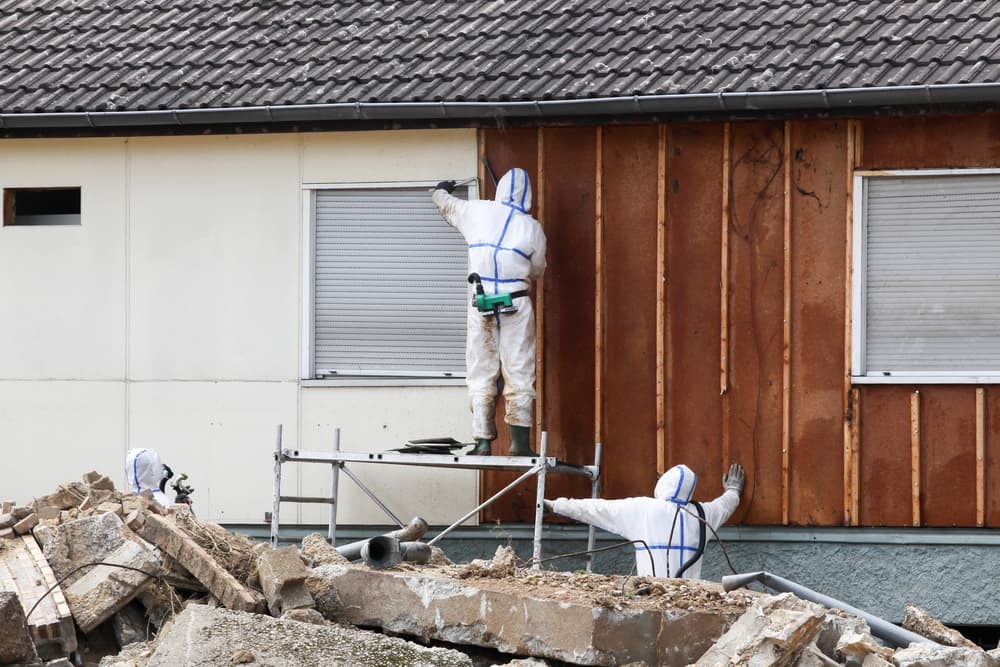
Finding asbestos in your home can be a stressful experience. Once the initial concern for your family’s health settles, the very next question is almost always: “How much is this going to cost to fix?”
It’s a fair question, but because every property is unique, there isn’t a single “off-the-shelf” price tag.
Whether you have discovered a suspicious-looking textured ceiling (Artex), an old cement garage roof, or insulation lagging around a water tank, the costs can vary significantly based on the scale and complexity of the job.
In this guide, we’ll provide a transparent look at current UK asbestos removal prices for 2026.
We will explore the key factors that dictate your final quote, the difference between removal and encapsulation, and why professional, licensed intervention is the only way to guarantee both your safety and your home’s long-term value.
What factors affect the cost of removing asbestos?
When it comes to the cost of removing asbestos, there are a number of factors that can influence the final price. These include:
- Identifying asbestos
- Asbestos encapsulation
- Asbestos removal
- Location of the asbestos
- The type of asbestos that needs to be removed
- The amount of asbestos that needs to be removed or remediated
- Reboarding
The Essential First Step: The Asbestos Survey
Before a single sheet of asbestos can be removed, you must first know exactly what you are dealing with.
An asbestos survey is vital for the removal process. It identifies the type of asbestos present, its condition, and how much of it there is. Without this, it is impossible to ensure the safety of the occupants or the workers.
Which Survey Do You Need?
There are two primary types of surveys for domestic properties:
- Management Survey: This is the most common for homeowners. Its purpose is to locate asbestos-containing materials (ACMs) that could be damaged or disturbed during normal occupancy and day-to-day maintenance.
- Refurbishment & Demolition (R&D) Survey: If you are planning building work, an extension, or a full renovation, this survey is mandatory. It is much more intrusive, looking behind walls and under floorboards to ensure no hidden asbestos is disturbed by contractors.
What does a survey cost?
In the UK, a standard domestic asbestos survey typically costs between £200 and £1,000.
The final price depends on the size of the property and the number of samples that need to be taken and sent to a laboratory for testing.
While this is an upfront cost, it often saves money in the long run by preventing expensive emergency decontaminations if asbestos is accidentally disturbed during a DIY project.
Key Factors That Influence the Final Quote
If you have been researching prices, you may have noticed a wide range in figures. This is because asbestos removal isn’t a one-size-fits-all service.
When a professional contractor like Malrod calculates a quote, we look at several specific variables that dictate the complexity and safety requirements of the job.
Here are the primary factors that will influence your final cost:
1. The Type of Asbestos
Not all asbestos is created equal. Some types, such as Crocidolite (blue) or Amosite (brown), are considered higher risk than Chrysotile (white).
Furthermore, we look at the “friability” of the material. This is how easily it crumbles into dust.
Removing crumbly pipe lagging is far more complex and dangerous than removing solid cement sheets, and the price will reflect the level of protection required.
2. Location and Accessibility
Where the asbestos is located plays a huge role in the labor costs. Removing an asbestos cement roof from a garden shed is relatively straightforward.
However, if the asbestos is located in a cramped crawl space, a high-up attic, or hidden behind structural walls, it requires more time, specialist equipment, and potentially scaffolding, which increases the price.
3. The Quantity of Material
Naturally, the more asbestos there is, the higher the cost. This isn’t just about the time spent on-site; it also relates to the volume of hazardous waste.
Asbestos cannot be thrown in a standard skip; it must be transported in sealed containers to specialist hazardous waste sites, which charge by weight or volume.
4. Containment and Safety Measures
For high-risk materials, we have to turn the work area into a “sealed bubble.” This involves:
- Full Enclosures: Using heavy-duty polythene to seal the area.
- Negative Pressure Units (NPUs): To ensure no fibers escape into the rest of your home.
- Decontamination Units: For our staff to safely transition in and out of the work zone. The more equipment needed to keep your home safe, the higher the operational costs.
5. Disposal Fees
A significant portion of your quote goes toward the safe, legal disposal of the waste. UK regulations regarding hazardous waste are incredibly strict.
You are paying for the Consignment Note, the legal paperwork that proves your asbestos was disposed of at a licensed facility, protecting you from future liability.

Removal vs. Encapsulation: Which is Right for You?
When asbestos is identified in your home, you generally have two professional options: taking it out entirely (Removal) or sealing it safely in place (Encapsulation).
The choice you make will have a significant impact on both the immediate cost and the future management of your property.
Asbestos Encapsulation
Encapsulation involves treating the asbestos-containing material with a specialist high-grade sealant or a protective adhesive. This caps the material, preventing any harmful fibers from becoming airborne.
- The Cost: Typically around £8 to £15 per square metre.
- The Pros: It is significantly cheaper than removal, creates very little disruption, and generates no hazardous waste.
- The Cons: The asbestos remains in your home. This means it must be managed and monitored over time to ensure the sealant hasn’t degraded. You will also need to disclose its presence if you decide to sell your home.
Full Asbestos Removal
This is the complete physical extraction of the asbestos from your property. Once removed, the area is decontaminated and certified safe for re-entry.
- The Cost: Typically starts from £50 per square metre, though this varies based on the factors mentioned in the previous section.
- The Pros: It is a permanent solution. Once the asbestos is gone, you no longer have to worry about monitoring it, and it can often increase the marketability and value of your home.
- The Cons: It is a more expensive and labour-intensive process. Depending on the location, it may also require re-boarding or plastering once the material is removed to make the room liveable again
Which Should You Choose?
If the asbestos is in good condition and in a location where it is unlikely to be disturbed (such as behind a wall or high in an attic), encapsulation is a very cost-effective safety measure.
However, if you are planning on renovating, knocking down walls, or if the material is already damaged and flaking, full removal is the only safe and logical choice.
During your initial survey, our experts at Malrod will advise you on which path is most suitable for your specific situation.
Average Costs for Common Domestic Projects
While every quote is bespoke, it helps to have a rough figure for the most common asbestos removal tasks found in UK homes. Below are the typical price ranges for 2026.
Note: These figures are estimates and do not include the cost of the initial survey or VAT.
| Project Type | Estimated Cost Range | Key Considerations |
| Asbestos Water Tank | £200 – £450 | Often found in lofts; price depends on ease of access and size of the tank. |
| Garage Roof (Cement Sheets) | £400 – £1,000 | Depends on whether it is a single or double garage and the number of sheets. |
| Full Garage Removal | £2,000 – £3,500+ | Includes the roof, walls (if asbestos), and the safe dismantling of the structure. |
| Artex Ceiling (Per Room) | £600 – £1,500 | Cost varies based on room size and whether you choose full removal or over-boarding. |
| Vinyl Floor Tiles | £400 – £800 | Usually priced per room. Includes the removal of the tiles and the underlying bitumen adhesive. |
| Guttering & Downpipes | £300 – £700 | Depends on the length of the run and whether scaffolding is required for height. |
| Flue Pipes | £250 – £500 | Common in older boiler systems; price depends on length and location. |
The Minimum Charge Factor
It is worth noting that most professional asbestos removal companies have a minimum call-out charge (typically £150 – £250).
This covers the cost of the transit, the specialised PPE, and the legal disposal of even a small amount of material. Therefore, it is often more cost-effective to have all the asbestos in your home removed at once rather than booking multiple small visits.
Are There Any Grants Available?
In some specific cases, local councils may offer assistance or reduced rates for asbestos disposal, particularly for low-income households or for small amounts of household cement. It is always worth checking your local authority’s website before starting a project.
The Potential Additional Costs of Asbestos Removal
When budgeting for asbestos removal, it is important to look beyond the line item for the removal itself. Because asbestos was often used as a structural or finishing material, its removal can leave your property requiring further work.
Here are the additional costs you should factor into your project, so you don’t get any surprises down the line:
1. Reinstatement and Re-boarding
Asbestos removal is not a decorative service; it is a safety service. If we remove an asbestos insulation board (AIB) ceiling or wall panels, you will be left with a shell or exposed joists.
The Cost: You will likely need to hire a plasterer or joiner to re-board and skim the area. Depending on the size of the room, this can add £400 to £1,000+ to your total renovation budget.
2. Air Monitoring and 4-Stage Clearance
For high-risk asbestos removal (such as pipe lagging or AIB), UK law requires a 4-stage clearance test before the area can be re-occupied. This involves an independent UKAS-accredited laboratory coming to the site to test the air for lingering fibers.
The Cost: This typically costs between £250 and £500. While it is an extra expense, it is your ultimate guarantee that the air in your home is 100% safe to breathe.
3. Access and Scaffolding
If the asbestos is located at height, such as soffits, gutters, or a high warehouse-style ceiling, we may need to hire specialist scaffolding or a cherry picker to reach it safely.
The Cost: Small towers can be affordable, but full-scale scaffolding for a house can add £300 to £800 to the project cost.
4. Waste Consignment Notes
Every load of asbestos that leaves your property must be tracked. A Consignment Note is a legal document required by the Environment Agency. It proves that the hazardous waste was handled correctly from your front door to the landfill.
The Cost: Most professional contractors include this in their quote, but always double-check. It is a vital piece of paperwork you will need if you ever sell your property.
5. Emergency Call-Out Fees
If you have a burst pipe behind asbestos lagging or a collapsed ceiling that has spread dust through your home, you may require an emergency response.
The Cost: Emergency mobilisations usually carry a premium due to the need for immediate scheduling and rapid deployment of equipment.
Why You Should Avoid “Cheap” Unlicensed Contractors
When you receive multiple quotes for asbestos removal, it can be tempting to choose the lowest price. However, in the asbestos industry, a quote that seems too good to be true often is, and can come with hidden dangers that cost you far more in the long run.
Here is why hiring an unlicensed or “general” builder for asbestos work is a high-risk gamble:
1. The Risk of Cross-Contamination
Asbestos fibres are microscopic and invisible to the naked eye. An untrained contractor without the correct “negative pressure” equipment or high-grade HEPA vacuums can accidentally spread these fibers throughout your carpets, curtains, and ventilation systems.
What started as a small removal project could turn into a whole-house decontamination job costing tens of thousands of pounds.
2. Legal and Financial Liability
As a property owner, you have a legal “Duty of Care” regarding the waste produced on your land.
If a cheap contractor fly-tips your asbestos in a field or down a back alley to avoid disposal fees, and it is traced back to you, you could be held liable for massive fines or even prosecution.
3. Lack of Specialist Insurance
Most standard public liability insurance policies specifically exclude asbestos-related incidents.
If an unlicensed contractor accidentally damages your property or causes a health hazard while handling asbestos, their insurance will likely not pay out, leaving you to foot the bill for any damages or legal claims.
4. The Value of an HSE License
At Malrod, we hold a full license from the Health and Safety Executive (HSE). This isn’t just a badge, it means we are regularly inspected and must adhere to the most stringent safety standards in the UK.
When you hire an HSE-licensed contractor, you are paying for:
- Specialised Training: Our teams are experts in the latest containment and removal techniques.
- Medical Surveillance: Our staff are regularly monitored to ensure they are working safely.
- Peace of Mind: You receive the legal certification (Consignment Notes and Air Clearance) that proves your home is safe and your waste was handled legally.
The bottom line is, saving £200 today by hiring an unqualified contractor isn’t worth the risk of a lifetime of health concerns or a legal battle with the Environment Agency.
Ready to get a clear, accurate quote for your property?
Don’t leave your safety to chance. Whether you need a simple management survey or a complex removal project, our HSE-licensed team is here to help.
Call us today: 01942 811591
Request a Callback: Answer a few simple questions here and one of our experts will be in touch to discuss your requirements.