

For many people, asbestos feels like a problem that’s “done and dusted” once the material has been removed. If the boards, tiles, or insulation are gone, the risk must be gone too, right?
Not always.
In some cases, asbestos fibres or debris can remain behind after removal, particularly where materials have been damaged, disturbed, or have been present for a long time. This is especially common in soil, voids, service ducts, and older sites where asbestos wasn’t originally handled correctly.
Where asbestos remediation comes in
This is where asbestos remediation comes into play. Rather than focusing only on removing visible materials, remediation looks at whether asbestos contamination still exists and what needs to be done to prevent future risk.
This article explains what asbestos remediation actually means, how it differs from removal alone, and when it’s necessary to go a step further to properly protect people, property, and land.
What does “asbestos remediation” actually mean?
Asbestos remediation is often confused with asbestos removal, but the two are not the same thing.
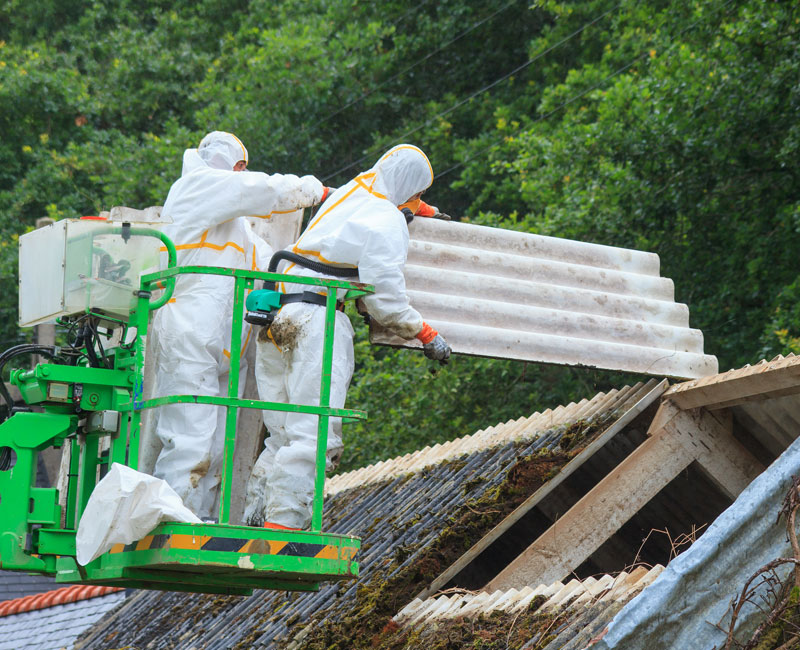
Asbestos removal is exactly what it sounds like: taking asbestos‑containing materials out of a building or off a site and disposing of them safely. In many situations, that’s enough to deal with the immediate risk.
Asbestos remediation, on the other hand, looks at the wider picture. It’s about dealing with asbestos contamination that may still pose a risk even after the obvious materials have been removed.
This can include:
- Asbestos fibres left behind in soil or made ground
- Small fragments or debris from damaged materials
- Contamination in areas that aren’t immediately visible, such as voids, ducts, or sub‑floor spaces
The aim of remediation isn’t just to remove asbestos, but to make sure the site is genuinely safe to use again, now and in the future.
In practice, asbestos remediation can involve a combination of actions, such as further removal, treatment, encapsulation, or managing contaminated areas so fibres cannot become airborne.
The exact approach depends on where the asbestos is, its condition, and how the site will be used going forward.
If you’re dealing with land, redevelopment, or a building where asbestos has already been disturbed, remediation is often the step that ensures the problem is fully resolved rather than temporarily hidden.
Why asbestos removal alone isn’t always enough
Removing asbestos materials deals with what you can see, but it doesn’t always deal with what’s left behind.
Asbestos becomes most dangerous when it’s broken or disturbed. Once that happens, fibres and fragments can spread beyond the original material and settle in places that aren’t obvious or easy to clean. Even a well‑planned removal job can uncover issues that weren’t visible at the start.
Common situations where removal alone may not fully resolve the risk include:
Damaged or broken materials
If asbestos boards, insulation, or cement sheets have deteriorated over time, small fragments may already be present in surrounding areas.
Previous uncontrolled work
Older buildings and sites often show signs of historic DIY work or unlicensed removal, where asbestos wasn’t handled correctly and debris was left behind.
Soil contamination
Asbestos can end up in soil following demolition, garden works, or the removal of old outbuildings. This isn’t always obvious until the ground is disturbed again.
Hidden areas
Fibres can remain in voids, service risers, ducts, or beneath floors, long after the main materials have been taken away.
In these cases, removing the visible asbestos doesn’t necessarily make the environment safe. The risk comes from what may still be present, and what could become airborne in the future if the area is disturbed again.
This is why a more thorough approach, such as asbestos remediation, is sometimes required. It focuses on identifying and dealing with contamination so the site can be used safely, rather than assuming the problem ended with removal.
Situations where asbestos remediation is usually required
Not every asbestos issue needs full remediation. In many cases, removal or management is enough. However, there are certain situations where remediation is commonly required because the risk goes beyond a single material.
You may need asbestos remediation if any of the following apply:
Redevelopment or construction sites
Land that previously held older buildings can contain asbestos fragments in the ground, especially if demolition took place decades ago. If asbestos was not properly controlled at the time, debris may still be present below the surface.
This is particularly relevant for brownfield sites and areas being prepared for new housing, commercial units, or infrastructure work.
Soil or made ground contamination
Asbestos in soil isn’t always visible. It may be present as small fragments or fibres mixed into made ground, gardens, or landscaping areas. Disturbing the soil through digging, piling, or groundwork can release fibres into the air.
In these cases, asbestos soil remediation or asbestos land remediation is often needed to make the area safe for use.
Buildings where asbestos has already been disturbed
If asbestos materials have been damaged by fire, flooding, poor maintenance, or previous works, contamination may have spread beyond the original location.
Even if the main material has since been removed, fibres can remain in surrounding areas.
Unexpected asbestos findings during works
It’s not uncommon for asbestos to be discovered part‑way through a project. When this happens, work often has to stop while the level of contamination is assessed. Depending on what’s found, remediation may be required before work can safely continue.
Sites with a change of use
If a building or piece of land is being used differently, for example, from industrial to residential, the acceptable level of risk changes. Areas that were once left undisturbed may now need to meet a much higher safety standard.
In these situations, asbestos remediation services are often used to ensure the site is suitable for its new purpose.
How asbestos remediation works
Asbestos remediation isn’t a single action. It’s a process designed to assess risk properly and deal with contamination in a way that prevents future exposure.
While the exact approach varies from site to site, remediation usually follows the same broad steps.
Assessing the site
The first step is understanding what’s actually present. This involves identifying where asbestos is located, how much there is, and whether it has been disturbed. On land or redevelopment sites, this may include sampling soil or made ground rather than just building materials.
The aim here is to establish the level of risk, not to assume that removal is automatically the right solution.
Deciding the right approach
Once the risk is understood, the most appropriate method can be chosen. Depending on the situation, this may involve further removal, treatment, encapsulation, or controlled management of contaminated areas.
In many cases, remediation is about preventing asbestos fibres from becoming airborne rather than removing every trace at all costs.
Carrying out the remedial work
Any work is completed under controlled conditions using methods suited to the type of contamination involved. This is particularly important where soil, land, or previously disturbed areas are concerned.
Licensed asbestos remediation contractors are used to ensure the work meets safety standards and legal requirements.
Confirming the site is safe
The final stage is making sure the area can be used safely again. This may involve inspections, testing, or formal sign‑off, depending on the nature of the site and the work carried out.
The goal of asbestos remediation is long‑term safety — not just resolving the immediate issue, but reducing the risk of future exposure as well.
Remediation, management and removal: what’s the difference?
These terms are often used interchangeably, but they mean different things. Understanding the difference helps you make the right decision for your building or site, rather than paying for work you don’t actually need.
Asbestos management
Asbestos management is used when asbestos‑containing materials are in good condition and unlikely to be disturbed. Instead of removing them, the focus is on monitoring their condition and making sure anyone working on the property knows where they are.
This approach is commonly used in occupied commercial buildings where asbestos is present but stable. It relies on regular inspections and clear records rather than physical works.
Asbestos removal
Asbestos removal is required when materials are damaged, deteriorating, or need to be disturbed as part of planned work.
The asbestos is safely removed from the building or site and disposed of in line with regulations.
For many situations, particularly inside buildings, removal is enough to deal with the risk.
Asbestos remediation
Asbestos remediation is used when there is concern that asbestos contamination may still pose a risk after removal, or where asbestos is present in soil, land, or hidden areas.
Rather than focusing on a single material, remediation looks at the wider environment and how it will be used. This is why asbestos remediation services are often needed for redevelopment projects, contaminated land, or sites where asbestos has already been disturbed.
In simple terms:
- Management monitors asbestos
- Removal takes it away
- Remediation deals with the remaining risk
Do homeowners ever need asbestos remediation?
In most cases, homeowners will only ever need asbestos removal, not full remediation. Asbestos remediation is far more common on commercial sites, redevelopment land, or former industrial areas.
That said, there are situations where remediation can be relevant in a domestic setting.
Contaminated gardens or land
Older garages, sheds, or outbuildings were often built using asbestos cement. If these structures were demolished years ago without proper controls, asbestos fragments can be left behind in the soil. This usually only becomes apparent when digging, landscaping, or building an extension.
Properties on or near former industrial land
Some homes are built on land that was previously used for industrial or commercial purposes. In these cases, asbestos may be present in made ground beneath the property rather than within the house itself.
Disturbed asbestos during previous works
If asbestos materials were damaged during historic DIY work or renovations, fibres may have spread into voids, sub‑floors, or external areas. Even if the original material has since been removed, contamination can remain.
Buying land for self‑build or development
If you’re purchasing a plot of land or planning a self‑build project, asbestos remediation may be required before construction can begin, particularly where older structures once stood.
For most homeowners, these scenarios are the exception rather than the rule. However, where they do apply, residential asbestos remediation can be an important step in making sure the property and land are genuinely safe to use.
Why professional asbestos remediation matters
Asbestos remediation isn’t something that can be judged by eye or solved with a quick clean‑up.
Where contamination is present, the risk comes from fibres that are often invisible and easily disturbed.
Professional asbestos remediation matters for a few key reasons.
Hidden risk is easy to underestimate
Asbestos fibres can remain in soil, dust, or concealed areas long after visible materials have been removed. Without the right assessment and controls, it’s easy to assume a site is safe when it isn’t, particularly if the area won’t be disturbed again until months or years later.
Disturbance creates exposure
A site may appear stable, but future work such as digging, drilling, or refurbishment can release fibres into the air. Remediation looks ahead to how the space or land will be used, not just how it looks today.
Legal and environmental responsibility
For landowners, developers, and businesses, there is a responsibility to prevent asbestos exposure to workers and the public. Improper handling of contaminated land or materials can lead to enforcement action, delays, and costly remediation later on.
Using experienced, licensed asbestos remediation contractors helps ensure that the correct approach is taken from the outset, rather than relying on assumptions that can create problems down the line.
Long‑term peace of mind
The aim of asbestos remediation isn’t just to meet minimum requirements, it’s to reduce the risk of future exposure as far as reasonably practicable. When remediation is carried out properly, it allows sites to be used, developed, or occupied with confidence.
When to get expert advice
If you’re unsure whether asbestos remediation is needed, that uncertainty alone is usually a good reason to seek advice. In many cases, a short assessment can confirm whether removal was sufficient or whether further action is required.
It’s worth speaking to a specialist if:
- Asbestos has already been removed but concerns remain about contamination
- Soil, land, or made ground is involved
- You’re planning construction, redevelopment, or groundwork
- Asbestos was found unexpectedly during works
- A surveyor, contractor, or local authority has raised concerns
Getting the right advice early can prevent delays, reduce long‑term costs, and avoid situations where work has to stop part‑way through a project.
If remediation is required, working with an experienced, licensed provider of asbestos remediation services ensures the issue is dealt with properly and in line with current regulations.
For more information on how remediation works and when it’s required, you can read more about Malrod’s asbestos remedial works.