

Read more
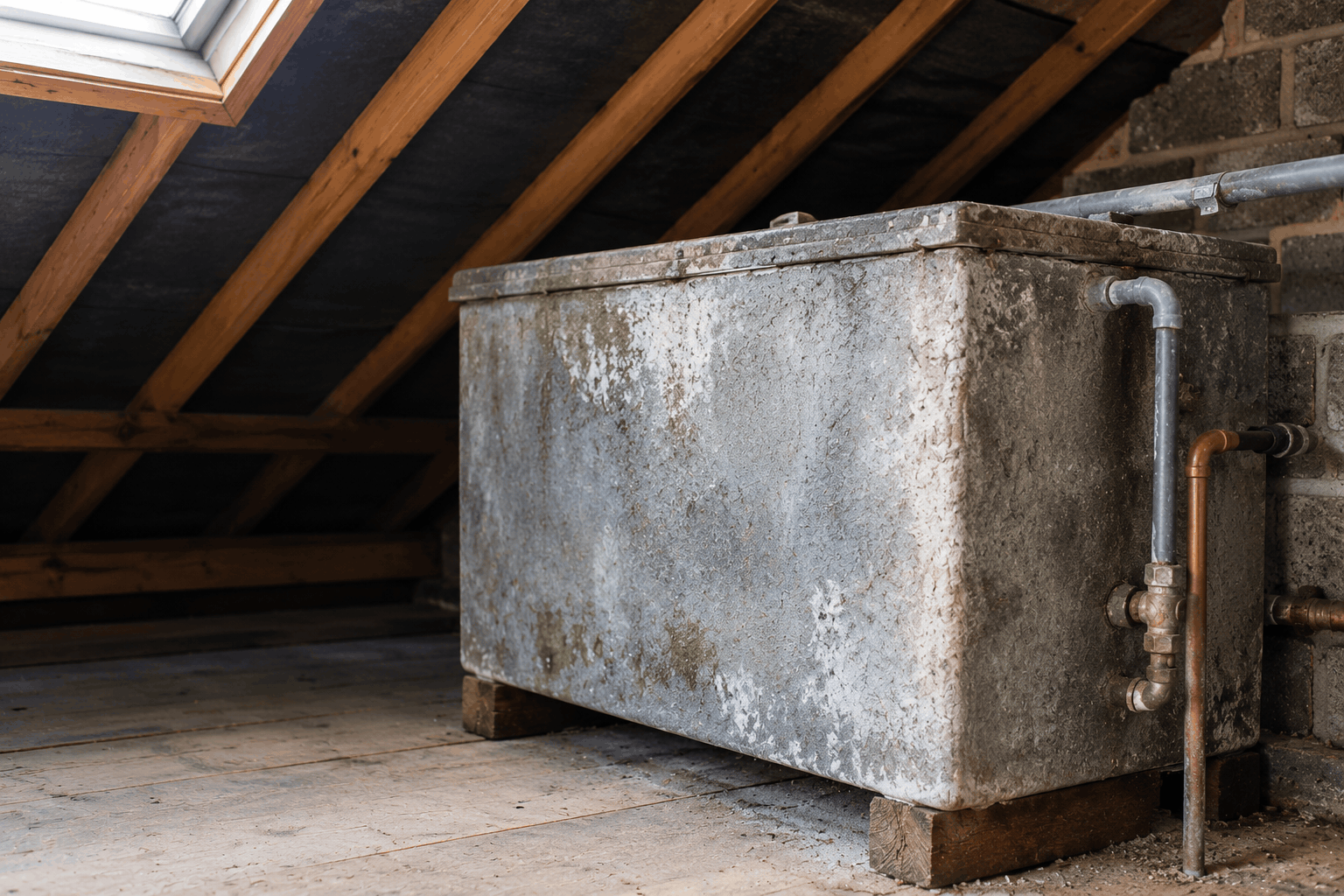
Asbestos Water Tanks: Risks, Identification and Removal Options
October 9th, 2026
Found an old water tank in your loft? Asbestos cement was commonly used to manufacture water tanks in older properties, […]
When asbestos is identified in a building, removal is often the first solution people think of. In reality, that isn’t always necessary.
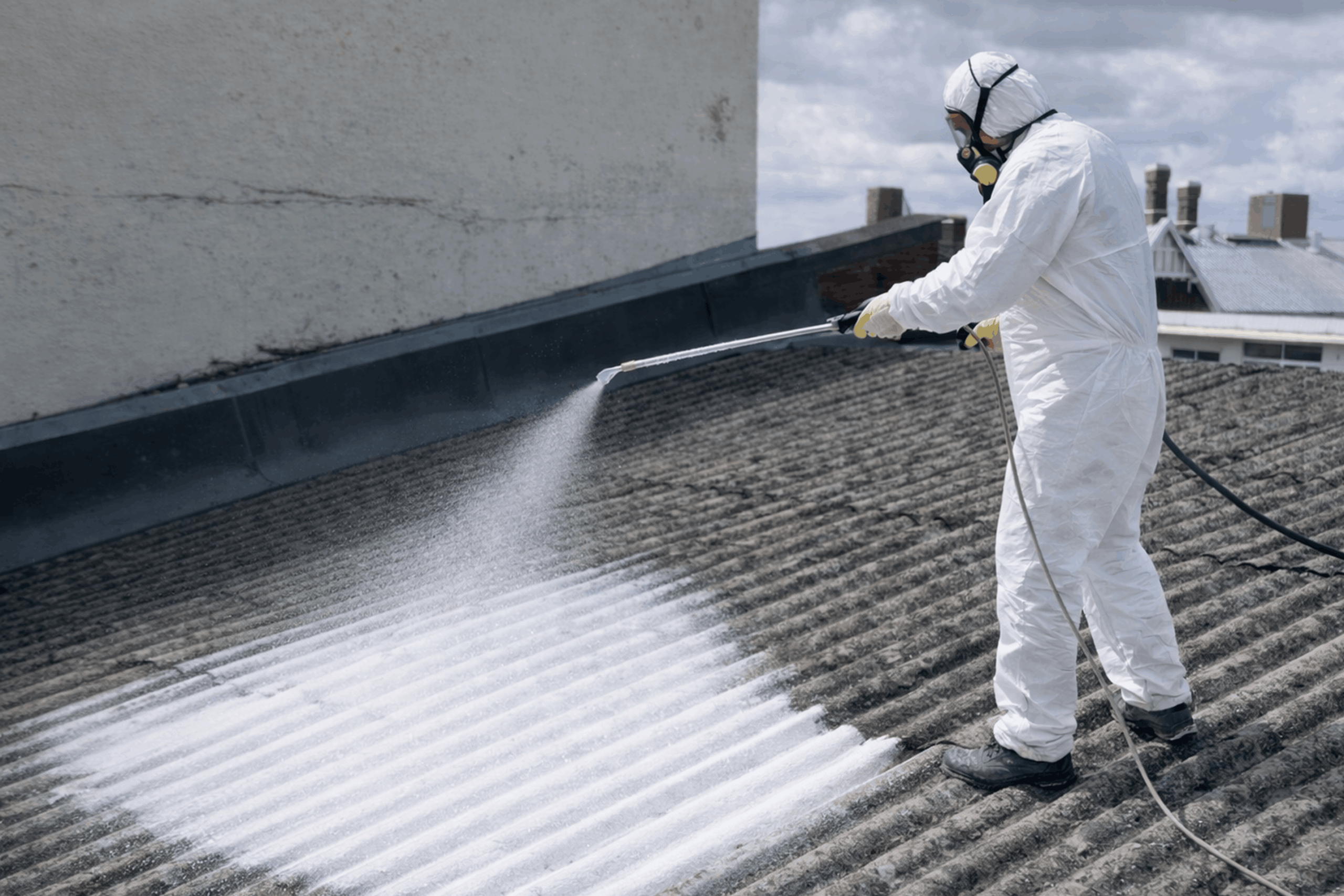
In some cases, asbestos‑containing materials can remain safely in place if they are properly protected and managed. This approach is known as encapsulation. Rather than removing the material, it is sealed or enclosed to prevent fibres from being released.
Encapsulation can be an effective option in the right circumstances, but it isn’t suitable for every situation. The decision depends on the condition of the material, its location and how the building is used.
This guide explains what asbestos encapsulation involves, its advantages and limitations, and when it may be appropriate as part of a wider asbestos management strategy.
Asbestos encapsulation is a method of managing asbestos‑containing materials (ACMs) without removing them from the building.
Instead of disturbing or dismantling the material, a protective barrier is applied to prevent fibres from being released. This may involve a specialist sealant coating, a rigid board system, or another form of enclosure designed to protect the surface from damage.
Encapsulation seals the material to reduce the risk of fibre release and protects it from future disturbance. When carried out correctly, it can extend the lifespan of the material while maintaining safety.
It’s important to understand that encapsulation does not eliminate asbestos. The material remains in place and must still be recorded and managed appropriately as part of the building’s asbestos register.
In some cases, asbestos removal is the safer and more practical long‑term solution.
If the asbestos‑containing material is damaged, deteriorating or already releasing fibres, sealing it may not provide sufficient protection. Likewise, if refurbishment or demolition works are planned, the material is likely to be disturbed and will usually need to be removed beforehand.
Removal may also be preferable where the location makes ongoing monitoring difficult. Areas that are frequently accessed, exposed to impact, or subject to regular maintenance can present challenges for long‑term management.
Higher‑risk materials, such as certain insulation products, often require licensed removal rather than encapsulation.
As with encapsulation, the decision to remove asbestos should be based on a professional assessment that considers both immediate risk and future plans for the building.
When appropriate, encapsulation can offer several practical advantages.
One of the main benefits is reduced disruption. Because the material remains in place, there is often less impact on building occupants compared with full removal works. This can be particularly important in operational commercial buildings or residential settings.
Encapsulation is also typically quicker to carry out than removal, as it does not involve dismantling or transporting hazardous waste off site. In some cases, this can make it a more cost‑effective short‑ to medium‑term option.
Another advantage is that stable materials are not unnecessarily disturbed. If asbestos is in good condition, sealing and protecting it can control the risk without introducing the additional handling that removal requires.
That said, these advantages only apply where encapsulation is genuinely suitable. It should always follow a professional assessment rather than being chosen purely for convenience.
While encapsulation can be effective, it is not a permanent solution in every case.
The most obvious limitation is that the asbestos remains within the building. Although it is sealed and protected, it must still be recorded, monitored and managed over time. Future maintenance work will need to take its presence into account.
Encapsulation can also complicate later refurbishment. If major works are planned at a later date, the material may still need to be removed, potentially adding another stage to the project.
In some environments, ongoing monitoring may be difficult to maintain. Areas exposed to impact, moisture or frequent access may not be suitable for long‑term encapsulation.
For these reasons, encapsulation should be viewed as a management strategy rather than a way of avoiding removal altogether. The right approach depends on the condition of the material and the future plans for the building.
The process usually begins with an asbestos survey to confirm the presence, type and condition of any asbestos‑containing materials. From there, a risk assessment considers factors such as location, accessibility, likelihood of disturbance and how the space is used.
Future plans are also important. A material that can remain safely encapsulated in a managed office environment may not be suitable in an area scheduled for refurbishment.
At Malrod, recommendations are made case by case. Our role is to provide clear, practical advice based on current regulations and real‑world experience. In some situations, encapsulation is entirely appropriate. In others, removal is the safer long‑term option.
The aim is always the same: to manage risk properly and ensure the building remains safe for those who use it.
Professional asbestos encapsulation begins with preparing the area to ensure the material can be treated safely and effectively. This may involve controlled access arrangements and appropriate protective measures, depending on the location and type of asbestos present.
The surface of the material is then treated using a specialist sealant or enclosed within a protective system designed to prevent fibre release and protect against damage. The method used will depend on the condition of the material and the environment it is in.
Once complete, the encapsulated material is clearly recorded within the building’s asbestos register. Labelling may also be applied where appropriate, so its presence is clearly identified for future maintenance or inspection.
Encapsulation does not end with the application itself. Ongoing monitoring forms part of responsible asbestos management, ensuring the protective measures remain intact and effective over time.
When carried out correctly and supported by ongoing management, asbestos encapsulation is a recognised and lawful method of controlling risk.
The purpose of encapsulation is to prevent fibres from being released by sealing and protecting the material. If the asbestos is in good condition and unlikely to be disturbed, this approach can provide a safe and proportionate solution.
Safety does not come from the coating alone, but from the wider management process. The material must be properly recorded, periodically inspected and taken into account before any future work is carried out in the area.
Encapsulation should never be used to ignore a problem. It is a deliberate management decision based on assessment and professional judgement.
In some cases, yes. Because the material remains in place, encapsulation can involve less disruption and shorter time on site. However, cost should not be the deciding factor. The condition of the material and future plans for the building are more important considerations.
When properly applied and maintained, encapsulation can remain effective for many years. It should form part of an ongoing asbestos management plan, with periodic inspections to ensure the protective layer remains intact.
If the encapsulation remains intact and the material is not disturbed, the risk is significantly reduced. Problems arise if the protective barrier is damaged or ignored during later works.
Yes. Encapsulation should only follow confirmation of the material type and condition. A survey provides the information needed to decide whether encapsulation is appropriate.
Yes. UK regulations allow asbestos to remain in place if it is in good condition and properly managed. Encapsulation is one of the recognised methods of controlling risk.
Read more
October 9th, 2026
Found an old water tank in your loft? Asbestos cement was commonly used to manufacture water tanks in older properties, […]
Read more
September 22nd, 2026
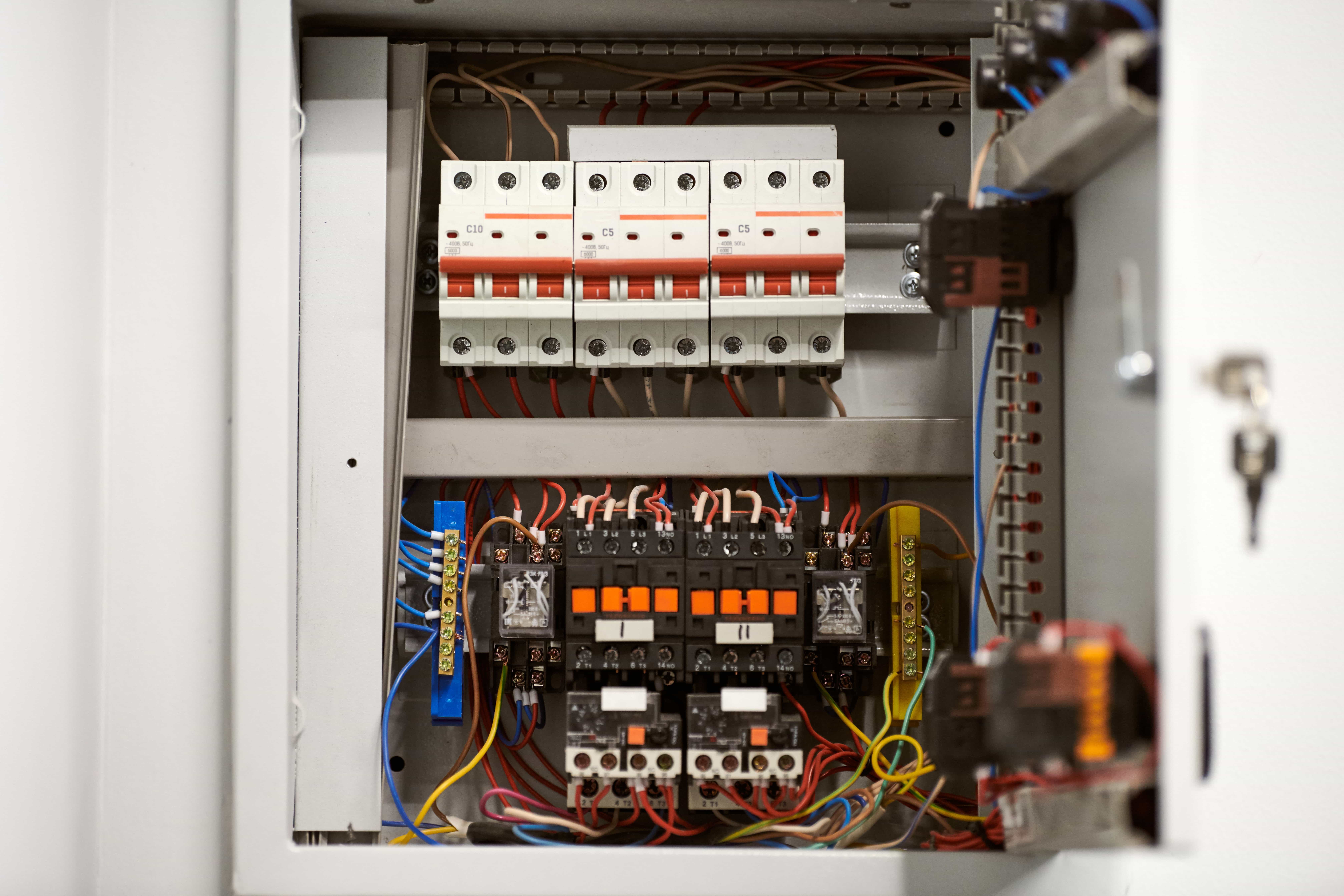
Older electrical switchgear and fuse boxes can contain asbestos components that may have remained undisturbed for decades. The issue can […]
Read more
February 28th, 2026
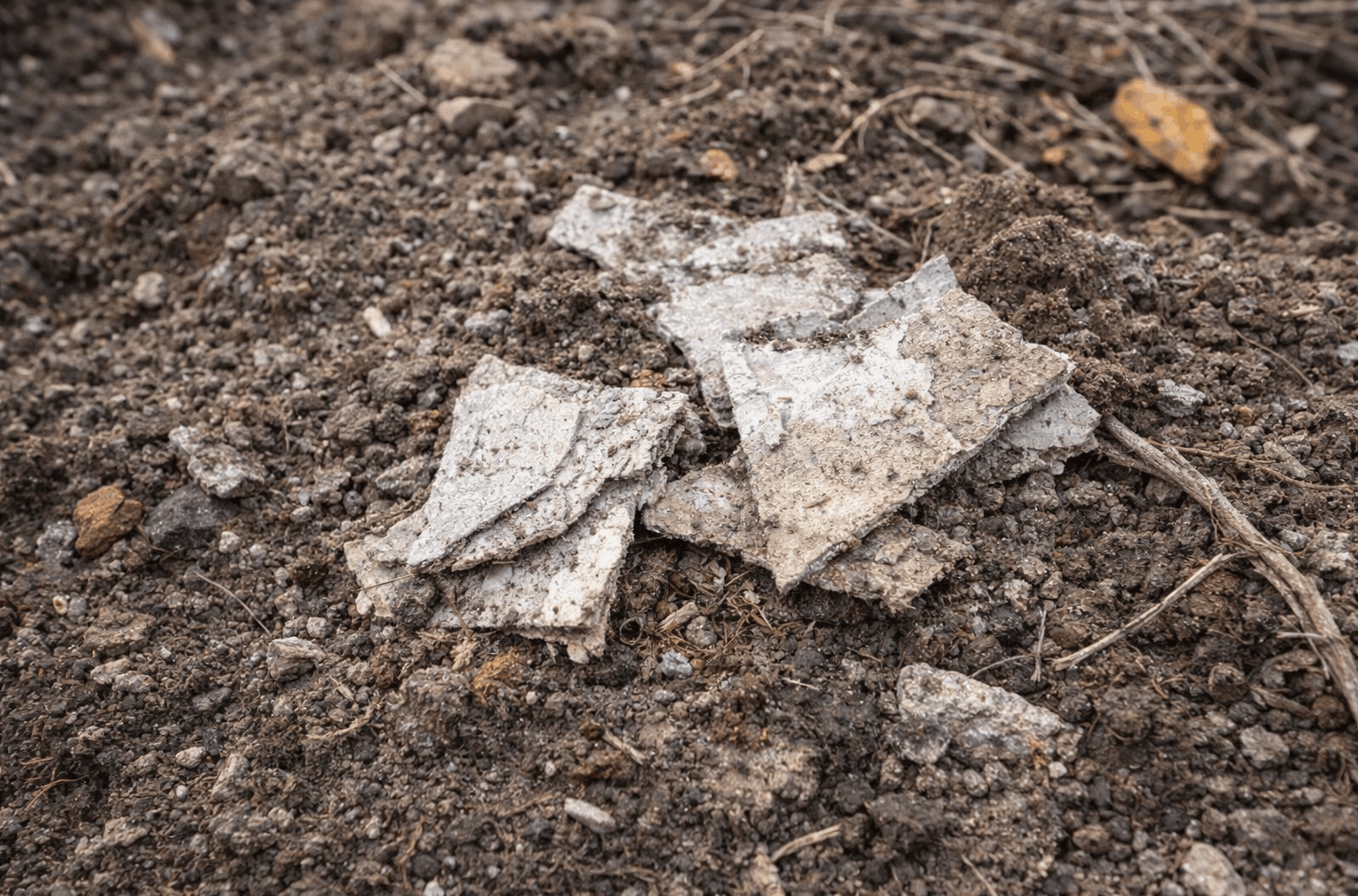
Asbestos in soil is a common issue on former industrial sites, demolition areas and brownfield land across the UK. While […]